"Annual to perennial herb. Stem: prostrate to erect, generally ± branched, generally ribbed, occasionally winged. Leaf: basal and cauline, alternate; proximal generally 1–2-pinnately lobed; distal generally ± reduced. Inflorescence: heads disciform or radiant (discoid); involucre cylindric to hemispheric; phyllaries graduated in 6–many series, generally ± ovate, scarious-margined, tip appendages fringed to spiny; receptacle flat, epaleate, long-bristly. Flower: corolla white to pink, purple, or yellow, tube long, distally bent; outer flowers generally sterile, corolla 3–10-lobed, ± bilateral, reduced, inconspicuous or expanded and spreading, ± ray-like; inner flowers bisexual, corolla ± radial; anther base tailed, tip oblong; style tip cylindric, minutely hairy distal to hairy ring, branches very short. Fruit: ± barrel-shaped, ± compressed, attached ± at side; pappus 0 or generally of stiff, unequal bristles or narrow scales.
± 500 species: especially Eurasia, northern Africa; some cultivated. (Greek: plant name associated with Chiron, a centaur) [Keil & Ochsmann 2006 FNANM 19:181–194] Many noxious or invasive weeds." [Jepson]
"Centaurea is a genus with as many as 600 species distributed
mainly in the Mediterranean region and southwestern Asia with a few species native to Africa and the New World." [Bohm FSF]
"A genus of about 500 species, herbs, native of Eurasia and n. Africa. References: Keil & Ochsmann in FNA (2006a); Cronquist
(1980)=SE. Key adapted from C, SE, and FNA. [also see Acroptilon, Carthamus, and Plectocephalus]" [Weakley FSMAS]
"Centaurea is a large genus of over 400 species, most originating in the
Mediterranean region. All of the species treated here have been introduced
from Eurasia and now represent a threat to pastures and rangelands." [WeedsW]
"Centaurea-Knapweed,.... C cyanus is the cornflower or bachelor's
buttons. It is native to Europe, but commonly cultivated in the U.S. as an ornamental flower. The knapweeds include
several species of noxious weeds introduced from Eurasia. Spotted knapweed (C maculosa) covers more than 5 million
acres just in Montana, often to the exclusion of all other plants. The leaves and roots of many species of Centaurea are
edible (Sturtevant). Medicinally, knapweed is both bitter and astringent (Klein)." [BIAD]
"According to Maud Grieve, "the seeds used to be made into powder
and drunk in wine as a remedy for stone, and the powdered root was
considered a cure for fistula and gravel."18 From Timothy Coffey's book,
Parkinson wrote in 1629 that the remedy of Centaurea is to use "not only
against the plague and pestilential diseases, but against the poison of scorpions and spiders."19
Culpeper wrote that knapweed "gently heals up running sores, both cancerous and fistulous, and will do the same for scabs
of the head."20 " [IPM]
Pharamacology
"Pharmacological Actions
Antimicrobial, anti-inflammatory, anticancer, antioxidant, antiulcer, anti-nociceptive, antipyretic, and hypoglycemic
mines, notably tyramine, have
been found. This is of great interest for use in medicine, leading to studies
that seek the connection to Parkinson's disease treatment." [IPM]
"In contrast to the
cytotoxic effect found in many sesquiterpene lactones a cytostatic effect has been
established in chlorohyssopifolins, chlorinated sesquiterpene lactones from the
genus Centaurea (Gonzalez et al. 1980)." [Bajaj MAPS 2]
"Example include phenolic composition of
the methanolic extract from aerial part of Centaurea borysthenica Gruner and
Centaurea transcaucasica Sosn Ex Grossh) plants with cardiomyocytes protective
roles (Korga et al. 2017)." [Egbuna FFN]
b-Eudesmol - Turkish Centaurea spp. - Antibacterial Activity Against vs.
Staphylococcus aureus - [29] [Rai FMDR]
"Many species of this genus
have been used in folk medicine for the treatment of various ailments. Turkey is an important center for endemisms of the Centaurea
genus. Formisano et al. [50] investigated the
antibacterial activity and volatile constituents
of aerial parts of three endemic Centaurea
species from Turkey: Centaurea amanicola Hub.-Mor., Centaurea consanguinea DC., and
Centaurea ptosimopappa Hayek. S. aureus was
most affected by the oil of C. amanicola, with
an MIC of 25 mg/mL. The same MIC value
was found for B. cereus, which was the species
most affected by the oil of C. consanguinea. Sesquiterpenoids, fatty acids, and carbonylic
compounds were the most abundant components of the oils. Other Turkish Centaurea
species, including Centaurea sessilis Willd.,
Centaurea armena Boiss., and Centaurea aladagensis Wagenitz, also yielded EOs with antibacterial activity against S. aureus [29,51]. The main
component of the EOs of these taxa is b-eudesmol, which is present at 12.4% and 19.3% in C.
sessilis and C. armena, respectively." [Rai FMDR]
"Antimicrobial: Various Centaurea species have shown in vitro broad
antimierobial activities, including inhibiting effects on some multiple
antibiotie resistant bacteria, Enterococcus faecalis, and a DNA virus." [IPM]
Phytochemicals
"The genus Ragwort (Senecio L.) is especially rich in l-ornithine (Figure 11)
derived alkaloids (senecionine, senecivernine,..., doronine)70 and the genus Knapweed (Centaurea L.)
in alkaloids derived from l-tryptophan, for example afzelin and apigenin." [Elsevier ASOL]
"Anthocyanins acylated with succinic acid have previously been isolated from some species
in the genus Centaurea (Compositae), and identified as the 3-[6-succinylglucoside]-
5-glucosides of cyanidin and pelargonidin." [Andersen FCBA]
"Exotic plant invasions often cause high mortality in native populations. A few
examples demonstrate the importance of allelopathy for successful invasion
e.g. two of North America’s most destructive invaders,Centaurea maculosa auct. Amer., and C. diffusa Lam. that establish virtual monocultures and both species have
powerful antiplant and antimicrobial root exudates (Callaway et al.2005)." [Dighton IIS]
"Beside their role in agriculture, allelochemicals released from roots may also play
a role in the establishment of some invasive species. For example, the ability of diffuse
knapweed (Centaurea diffusa) and spotted knapweed (Centaurea maculosa) to invade
grasslands in the western United States compared to grasslands in Eurasia where they
are native, appears to be due to the adverse effects of their root exudates on native North
American species compared to Eurasian species (Callaway and Aschehoug, 2000). In experiments using activated carbon to adsorb or deactivate the root exudates, Callaway and
Aschehoug (2000) demonstrated that the advantage of diffuse knapweed over others was,
at least in part, due to chemical mediation. Similarly, Ridenour and Callaway (2001) found
that root exudates from spotted knapweed inhibited growth of a native bunchgrass (Festuca
idahoensis). Although the chemicals responsible for the inhibition were not characterized
in this study, sesquiterpene lactones have been isolated from foliar parts of Centaurea spp.
(Weston and Duke, 2003)." [Gregory PR]
Ecological Importance
"Instead of finding that the allelopathic chemical in spotted knapweed
(C. maculosa), catechin, causes oxidative stress to the surrounding plant
life and thereby kills it, a USDA study found that this plant acted as a
potent antioxidant to the soil, restored the balance of microbial life, and
cleansed it of any free radicals or toxicities. A separate study also revealed
that other phytotoxins of C. diffusa facilitate nutrient uptake for the
plant, helping it acquire iron from deep within the earth and providing
the element to the surface soil. It is also true that iron is scarce in many of
the deprived, alkaline-rich environments that knapweed likes to invade.
Also, with deeply penetrating taproots 3 to 6 feet long, dense stands of
the yellow star thisde (C. solstitialis) may restore the fertility, structure,
and permeability of the degraded soils in which it inhabits." [IPM]
Cultivation & Propagation
Species Mentioned: Centaurea[HNIDC Ellis] [Only genus mentioned]
"For best results, give bachelor’s-buttons
full sun and rich, moist, neutral soil. They
will, however, tolerate average soil and drought.
Always water early in the day to give the leaves
a chance to dry before nightfall. Add organic
matter or fertilizer to the planting site before
seeding, and do not fertilize again; extra fertilizer promotes the development of leaves rather than flowers. By midsummer, bachelor’s-buttons
tend to become woody and unsightly. Picking
flowers prolongs bloom until July, but plan on
pulling out the spent plants and replacing them
with a later-blooming annual..." [HNIDC Ellis]
Wildlife
"Seeds are favored by birds, particularly finches." [HNIDC Ellis]
Methods of Control
Moths: "Pterolonche Zeller
P. inspersa Staudinger. Introduced from the Mediterranean region to combat the introduced European
knapweed (Centaurea sp.) in (4) Pacific nw." [Ross H. Arrett]
Pathogens:
Pythium rostratum "I have recently filed a patent application for a
mycoherbicide for knapweeds of eastern Washington state. This covers an isolate of Pythium rostratum Butler introduced from Europe, and two biochemical mu-
tants that do not produce oospores but that were found effective as biocontrol
agents for introduced Centaurea spp. Commercialization of this pathogen may
be realized in the future." [Leatham FIM]
Heavy Metals
[SoilBio-44][SoilBio-44]
References
[Guarrera et al.,2007] Guarrera, Paolo Maria, and Leporatti Maria Lucia. "Ethnobotanical remarks on central and southern Italy."
Journal of Ethnobiology and Ethnomedicine 3 (2007): 1-11.
[Lentini & Veza,2007] Lentini, Francesca, and Francesca Venza. "Wild food plants of popular use in Sicily." Journal of Ethnobiology and Ethnomedicine 3 (2007): 1-12.
Centaurea cyanus - cornflower
Centaurea cyanus L. - "The native range of this species is Central & E. Medit. It is an annual and grows primarily in the temperate biome. It is used as a medicine and invertebrate food and has environmental uses." [POWO]
"You should never forget that every creature has its purpose in the cycle
of nature and can also be very important to humans. Cornflowers (Centaurea
cyanus), to name an example, are now relatively rare, because they have been
banished from cereal fields as a so-called weed. The fact that they are not only
pleasing to the eye, but also valuable medicinal plants generally goes unnoticed.
... In nature there is nothing bad,
and there is a solution to every problem." [Holzer Perm]
"Centaurea cyanus is a ANNUAL growing to 1 m (3ft 3in) by 0.3 m (1ft) at a fast rate. It is not frost tender. It is in flower from June to August, and the seeds ripen from August to October. The species is hermaphrodite (has both male and female organs) and is pollinated by Bees, flies, Lepidoptera (Moths & Butterflies). The plant is self-fertile. It is noted for attracting wildlife. Suitable for: light (sandy), medium (loamy) and heavy (clay) soils, prefers well-drained soil and can grow in nutritionally poor soil. Suitable pH: acid, neutral and basic (alkaline) soils and can grow in very alkaline soils. It cannot grow in the shade. It prefers dry or moist soil and can tolerate drought." [PFAF]
"General: Annual herb from a taproot; stems erect, branched, loosely hairy, 0.2-1.2 m tall." [IFBC-E-flora]
"Leaves: Basal leaves linear to lanceolate, entire or with a few teeth and narrow lobes towards the base, white-woolly below, up to 13 cm long and 1 cm wide, soon deciduous; stem leaves similar, reduced and narrower upwards." [IFBC-E-flora]
Habitat/Range: "Dry roadsides in the lowland and montane zones; infrequent in S BC; introduced from the Mediterranean
region." [IFBC-E-flora] " Centaurea cyanus, unlike in central Europe where it becomes rare it is
still very common in northern Italy, also with a high
coverage." [Holzner BEW]
"Centaurea cyanus Linnaeus, Cornflower, Batchelor's-buttons. Cp (DE, FL, GA, NC, SC, VA), Pd (DE, GA, NC, SC, VA),
Mt (NC, SC, VA, WV): roadsides, disturbed areas; common (uncommon in VA and WV Mountains, uncommon in DE, rare in
FL), native of Mediterranean Europe. April-June. [= RAB, C, F, FNA, G, K, S, SE, W, WH]" [Weakley FSMAS]
Centaurea cyanus
"Grows in grasslands, open woods, below 7000 ft. Native
to southern Europe. sometimes used in wildflower mixes along
roads or in parks, spreading by seed and considered a noxious
weed. Nonnative" [WildPNW]
Status: Exotic [E-flora]
Edible Use
"In Poland, making a fermented, fizzy, cornflower Centaurea cyanus
flower lemonade was very common in the mid-twentieth century but has not been
reported earlier or later (it probably disappeared mainly due to the decline of C. cyanus populations cause by the development of intense agriculture)" [Tardio MWEP]
"Raw or cooked. The fresh florets can be used in salads[238]. They are used as a vegetable or a garnish[183]." [PFAF] "... it is Centaurea cyanus, whose petals were widely
used to make a refreshing fermented drink" [Anderson Ethnobiology]
Wine: "Centaurea cyanus L. ON/LN: chaber bławatek. LN: chaber,
bławat, bławatek. Flowers: combined with sugar to make
wine, commonly used until the mid-20th century, but now
nearly forgotten, Pk [55,65], Ps [65]; used to dye vinegar,
until the 18th century [25]." [Luczaj,2007]
"Surprisingly, in
a country where children have always been discouraged
from drinking alcohol, several respondents wrote about
children independently making a kind of "wine", particularly with the petals of Centaurea cyanus, which were fermented for some time with water and sugar (12 reports
from various regions). The inventory of children's snacks seems to be uniform across the country with very few
regional differences." [Luczaj,2008]
Dye: "An edible blue dye is obtained from the flowers, used for colouring sugar and confections[183]." [PFAF]
Other Use
Petals
Ink/Dye: "A blue ink and a dye is obtained from the petals mixed with alum-water[4, 100, 115, 201]. The
dye gives a lovely colour to linen, but it is transient[4]." [PFAF] "Robert Boyle, writing in the seventeenth century, recommended
a blue dye prepared from petals of the cornflower (Centaurea
cyanus L., Compositae). According to Harley (1982), such was
his reputation as a scientist that the colour was recommended for
watercolour painting in some eighteenth century books, either as
cornflower blue, Boyle’s blue or cyan blue. The colour was
strongly criticised by Hoofnail (1738); there is also no evidence
that it was ever supplied commercially (Harley, 1982).
Schweppe (1992) lists apigenin, isoswertisin, naringin, cyanidin,
pelargonidin and succinylcyanin as extractable dye components
of Centaurea cyanus L." [Eastaugh PC] "By adding ethanol to sap squeezed from Centaurea cyanus petals,
Bayer (1958) was able to precipitate the blue antocyan pigment,
which he called protocyanin to distinguish it from the ordinary
cyanin of red petals." [Shkolnik TEP]
Pot-pourri: "The dried petals are used in pot-pourri in order to add colour[4, 268]." [PFAF]
Plant
Extract: "Extracts of the plant are added to hair shampoos and rinses[238]." [PFAF]
Medicinal Use
"Cornflower has a long history of herbal use, though it is seldom employed nowadays. In France it is still used as a remedy for tired eyes, but opinions differ as to its efficacy[254, 268]." [PFAF]
"Cornflower (C. cyanus) has been used for fever, constipation, leucorrhea,
menstrual disorders, candida, as a laxative, tonic, diuretic, expectorant, or
as a stimulant for liver and gallbladder function. It is also reported as a
nervine that relieves discornforts caused by nerve impairment. Externally,
the flower is used in eye washes for inflammation and conjunctivitis, and
for eczema, sores, wounds, hemorrhoids." [IPM]
Eye Medicine
"the edible flower was thought to help strengthen eyesight." [NAH Orr]
"Traditionally it is said to work best on blue eyes, whilst Plantago major (great plantain) was used for brown eyes[268]." [PFAF]
Petal Water: "A water distilled from the petals was formerly in repute as a remedy for weak eyes[4] and a soothing lotion for conjunctivitis[7, 240]." [PFAF]
Flowers
"The dried flowers are antipruritic, antitussive, astringent, weakly diuretic, emmenagogue, ophthalmic, very mildly purgative, and tonic[4, 7, 9, 21, 201, 240]." [PFAF]
Infusion: "An infusion can be used in the treatment of dropsy, constipation, or as a mouthwash for ulcers and bleeding gums[9, 238]. This infusion is also taken as a bitter tonic and stimulant, improving the digestion and possibly supporting the liver as well as improving resistance to infections[254]." [PFAF]
Centaurea cyanus L. - Flowers - Decoction - Eye infections [Mustafa et al.,2012]
Centaurea cyanus L. (FABCEN) - Flowers
Infusion, in external application - To treat reddened eyes
Infusion, in local application - "To heal eye inflammations; to give a special gloss and blue nuance to grey and white hair
(avoiding the yellowing of hair)" [Gertsch, 2004] "Cold compresses made with flowers of Centaurea cyanus
and Euphrasia rostkoviana are being used to treat eye
diseases and to improve sight." [Redzic,2007]
Seeds
"The seeds are used as a mild laxative for children[7, 254]." [PFAF]
Leaves
Decoction: "A decoction of the leaves is antirheumatic[7, 254]. Antifungal [303]." [PFAF]
"The structure of the self-assembled supramolecular
pigment from the blue cornflower (Centaurea cyanus) was elucidated by Kondo et al.
[37a]; the supramolecular components are succinylcyanin (Sucy), a cyanidin chromophore
with a sugar in position 3, malonylflavone (Mafl), a flavone with a sugar in position 3, and
the metal ions Mg2+ and Fe3+, the exact composition being [Sucy6Mafl6Fe3+Mg2+]. These
authors proposed that the supramolecular complex should be similar to that of commelinin
(Figure 1.8). The metal centre organizes the geometry of the complex, which is held
together by weak hydrophobic interactions, such as π–π stacking of the aromatic rings
and hydrogen bonding through the sugar moieties [37]." [Bechtold HNC]
Centaurea_flowers.PNG [Fakhri et al.,2021]
Centaurea_flowers2.PNG [Fakhri et al.,2021]
Centaurea_flowers3.PNG [Fakhri et al.,2021]
"Willstatter and Everest identified the first anthocyanin in 1913, from the blue
cornflower Centaurea cyanus (cited in Bohm, 1998). Since then approximately
630 different anthocyanins have been structurally defined". [Davies PPM]
"Anthocyanins (Greek anthos, flower and Greek kyanos, blue), terminology used originally to describe the blue pigment of the cornflower (Centaurea cyanus) (Marquart,
1835), are the most important group of water-soluble plant pigments visible to the
human eye. They belong to the most widespread class of phenolic compounds collectively named flavonoids with, to the end of 1985, more than 4000 structures (Harborne,
1988), including some 240 different naturally occurring anthocyanins." [Harborne MPB]
"A major effort has been made to determine the structure of the remarkable blue pigment from C. cyanus, the cornflower. Willstatter and Everest
(1913) described the pigment from cornflower as cyanidin 3,5-di-0-glucoside. Re-examination of the pigment by Japanese workers (Takeda and
Tominaga, 1983; Tamura et aI., 1983) led to a revision of the structure to
cyanidin 3-0-(6"-0-succinoylglucoside)-5-0-glucoside. A recent report by
Kondo et al. (1994) describes the structure of "protocyanin" as consisting
of six molecules each of succinoylcyanin and malonyl flavone, and one
equivalent each of ferrous and magnesium ions. This "supermolecule," which
has a molecular weight of 8511, has the capacity for self-organization. A
survey of several additional species of Centaurea suggests that this pigment may occur widely in the genus (Sulyok and Laszlo-Bencsik, 1985)." [Bohm FSF]
"Stem tissue from the blue flowered Centaurea cyanus was used as the source tissue
for the generation of a callus and suspension cell line that produces anthocyanins
upon irradiation with UV light (Kakegawa et al. 1987)." [Gould A]
"There are also reports
describing more direct evidence for anthocyanin involvement in UV protection. For example,
in cultured cells of the cornflower Centaurea cyanus, the presence of cyanidin 3-O-(6-O-malonyl) glucoside appreciably reduced the extent of damage to DNA following UV-B or
UV-C irradiation." [Andersen FCBA]
"...the former pigment isolated from
cornflower, Centaurea cyanus, was shown to be part of the self-assembled supramolecule
protocyanin, composed of six molecules each of malonylflavone and succinylcyanin complexed with magnesium and ferric ions (Section 10.2.7)." [Andersen FCBA]
"The cornflower also represents a species that, despite its
widespread use in the Italian medical phytotherapy for minor
ocular inflammations (Campanini, 1998) (in the Marches
we recorded both this use and a hair dyeing usage, which
gives a special gloss blue nuance to the white hair of elderly
women), is not still very well-known phytochemically.
Recently, polysaccharides found to be mainly composed
of galacturonic acid, arabinose, glucose, rhamnose and
galactose, and extracted from its flower-head, have shown
anti-inflammatory and immunological effects (Garbaci
et al., 1999)." [Gertsch, 2004]
Pharmacology
"Compounds arising from the amide formation between serotonin and a HCA
were observed – beside C. tinctorius [Carthamus tinctorius L. (Asteraceae)] – in two asteraceous species, Centaurea moschata L. [syn of Amberboa moschata] (Sarker et al. 1997) and
C. cyanus L., cornflower (Sarker et al. 2001).
These metabolites showed significant toxicity in a brine shrimp lethality bioassay." [Eckart-Eich]
"Succeeds in ordinary garden soil[1, 200]. Prefers a well-drained fertile soil and a sunny position[200]. Tolerates dry, low fertility and alkaline soils[200]. Established plants are drought tolerant[201]. A very ornamental plant[1], there are many named varieties[188]. The flowers are often used in dried-flower arrangements because they retain their colour well[7]. A good plant for bees, butterflies and moths[20, 30, 108]. The cornflower is considered to be a good companion, in small quantities, for cereal crops[18, 20], though another report says that its greedy roots deprive the cultivated plants of nutrients and its tough stem dulls the reaper's sickle[4]. Members of this genus are rarely if ever troubled by browsing deer[233]." [PFAF]
"Seed - sow March in the greenhouse. When they are large enough to handle, prick the seedlings out into individual pots and plant them out in May. The seed can also be sown in situ during April, whilst in areas where the winters are not too cold a sowing in situ during September will produce larger and earlier-flowering plants" [PFAF]
"When to Plant: Most gardeners plant the seeds in the open ground several weeks before
the last frost." [NSSH Bubel] "When to Plant: Cover lightly with fine soil. Thin plants to 8 inches apart. They bloom in
cool weather." [NSSH Bubel] "Growing Conditions: Bachelor’s buttons tolerate cold weather, crowding, and poor soils,
but they do not transplant well." [NSSH Bubel]
Mycorrhizal Fungi
"Relatively little is known about the effects of infection by mycorrhizal fungi on
the male function of plants. In the field, the size and duration of the floral display
for insect-pollinated species may affect reproduction by affecting the number of
pollinator visits (Patton and Ford 1983; Schaffer and Schaffer 1979; Schemske
1980a,b). Thus, it is not surprising to find that when mycorrhizal infection
increased the floral display, it also increased pollinator visitation frequency in the
annuals Tagetes patula and Centaurea cyanus (Gange and Smith 2005)." [Koltai AMPF]
Weed Control
"To what extent agricultural measures
other than chemical control have contributed (directly or indirectly) towards
reducing weed populations since the 1950s
is difficult to determine. In some cases,
however, the dominating influences may be
pointed out with a high degree of certainty Thus, the very pronounced decline in the
tall-growing and nitrogen-favoured Sinapis
arvensis and Centaurea cyanus is certainly
predominantly a result of the frequent
use of herbicides to which these species
are extremely sensitive. The similarly
pronounced decline of Spergula arvensis is,
on the other hand, certainly largely caused
by cultural measures having impaired the
competitive situation of this weed as much
as, or more than, the herbicides." [Hakansson WWM]
"...the winter-annual
(‘winter-cereal’) weed Centaurea cyanus,
which is also very sensitive to the herbicides
used, declined most rapidly where winter
cereals were frequently grown." [Hakansson WWM]
"The long-term dynamics of a plant
population is, of course, determined by the
formation and properties of reproductive
and perennating organs of the plant. ....The conditions certainly vary between
species (e.g. Schnieders, 1999). From my
own field observations, two examples may
be given. Thus, whereas very small plants of
Chenopodium album in dense cereal stands
frequently set one or a few seeds, even comparatively big plants of Centaurea cyanus in
dense cereal stands often do not flower." [Hakansson WWM]
Pathogens
"Maculosin {(I), (3S-cis)-hexahydro-3-[(4-hydroxyphenyl)methyl]pyrrolo[1,2-a]pyrazine-
1,4-dione} is a host specific fungal toxin produced by Alternaria alternata on spotted knapweed (Centaurea maculosa).1 It was discovered in the
course of a systematic search for bioactive natural products for weed control among weed pathogens, a novel approach
developed by professor Gary Strobel at Montana State University.2 Initially the authors
suggested the name maculosins for the entire series of related dipeptides isolated from
Alternaria alternata. Only two compounds in the series were phytotoxic and they were
assigned individual names of maculosin-1 (I) and maculosin-2 (II). However, the less
active maculosin-2 was not mentioned after that and maculosin-1 became known simply
as maculosin." [Cutler BANPA]
"Maculosin-1 possesses a truly remarkable combination of useful properties. First, and most
important, it is highly toxic to the target species. In primary tests maculosin-1 produced
necrotic lesions on detached and punctured spotted knapweed leaves at the concentration
as low as 10–5 mole/l. Second, its structure is very simple. It is just a combination of two common amino acids — proline and tyrosine. Third,
in maculosin-1 these amino acids
form a cycle and the whole structure becomes very stable." [Cutler BANPA]
"Further, the color of cornflower is said to change depending on the
composition of the soil. Bachelor's buttonlcornflower (C. cyanus) is
a hyperaccumulator of nickel and is a good candidate for the remediation of radiocesium (Cs-134). In addition, bachelor's button was found
surviving-along with a handful of other species-in a site heavily contaminated with oil products and therefore considered for future
phytoremediation by natural attunation. C. virgata was also determined to be a
moderately high accumulator of iron, copper, zinc, and cadmium." [IPM]
Synonyms
Leucacantha cyanus (L.) Nieuwl. & Lunell
Centaurea pulcherrima Wight ex DC. - "This name is a synonym of Centaurea cyanus" [POWO]
[Fakhri et al.,2021] Fakhri, Sajad, et al. "Antioxidant and anticancer potentials of edible flowers: where do we stand?." Critical Reviews in Food Science and Nutrition 62.31 (2022): 8589-8645.
[Gertsch, 2004] Gertsch, Jürg, Kathrin Gertsch-Roost, and Otto Sticher. "Phyllanthus piscatorum, ethnopharmacological studies on a women’s medicinal plant of the
Yanomamı̈ Amerindians." Journal of ethnopharmacology 91.2-3 (2004): 181-188.
[Luczaj,2007] Łuczaj, Łukasz, and Wojciech M. Szymański. "Wild vascular plants gathered for consumption in the Polish countryside: a review." Journal of Ethnobiology and Ethnomedicine 3 (2007): 1-22.
[Luczaj,2008] Łuczaj, Łukasz. "Archival data on wild food plants used in Poland in 1948." Journal of Ethnobiology and Ethnomedicine 4 (2008): 1-19.
[Mustafa et al.,2012] Mustafa, Behxhet, et al. "Medical ethnobotany of the Albanian Alps in Kosovo." Journal of Ethnobiology and Ethnomedicine 8 (2012): 1-14.
[PFAF] https://pfaf.org/user/Plant.aspx?LatinName=Centaurea+cyanus, Accessed March 24, 2021
[Redzic,2007] S Redžić, Sulejman. "The ecological aspect of ethnobotany and ethnopharmacology of population in Bosnia and Herzegovina."
Collegium antropologicum 31.3 (2007): 869-890.
Centaurea diffusa Lam. - "The native range of this species is Europe to SW. Siberia and Caucasus. It is a biennial and grows primarily in the
temperate biome." [POWO] "Diffuse knapweed is an annual that is found
throughout the shrub steppe." [Apostol RPNW]
"Diffuse
knapweed infests roadsides, waste areas and dry rangelands, and as a highly
competitive plant, threatens to exclude many desirable species. Flowering
occurs from July to September." [WeedsW]
"General: Annual, biennial or short-lived perennial herb from a taproot; stems erect, branched, sparsely hairy, 10-60 cm tall." [IFBC-E-flora]
"Leaves: Basal leaves pinnately divided into linear segments, broadly lanceolate in outline, 3.5-20 cm long, 0.5-3.5 cm wide, grey-green, lightly dense-hairy, soon deciduous; stem leaves similar, reduced upwards." [IFBC-E-flora]
"Habitat / Range Dry roadsides, disturbed areas, overgrazed grasslands and shrublands in the steppe and lower montane zones; common in S BC east of the Coast-Cascade Mountains; introduced from the E Mediterranean region." [IFBC-E-flora]
"Centaurea diffusa Lamarck, Tumble Knapweed. Naturalized in Davidson County, TN (Chester, Wofford, & Kral 1997); also in KY (FNA).
[= C, F, FNA, G, K; = Acosta diffusa (Lamarck) Soják]" [Weakley FSMAS]
Status: Exotic [E-flora]
Cultivation
"Control can be done
by hand pulling of plants if enough of the taproot is
extracted to prevent regeneration (Roche and
Roche 1999). Pulling needs to be repeated for a few
years and therefore is possible only in small areas." [Apostol RPNW]
"Establishing competitive bunchgrasses can reduce diffuse knapweed and probably is the best
strategy for long-term control. An integrated approach that includes herbicide, grazing, and seed-
ing of bunchgrasses can be very effective. There is
also some hope for eventual biological control
(Roche and Roche 1999)." [Apostol RPNW]
"Spotted knapweed also occurs throughout the
shrub steppe but is more common where annual
precipitation is above 200 millimeters. Control
techniques are similar to those for diffuse knapweed (Sheley et al. 1999b)." [Apostol RPNW]
"After 30 years of effort and the introduction of twelve different species of biological control
agents, diffuse knapweed (Centaurea diffusa) has declined in many areas of the southern Okanagan
since the introduction of a weevil, Larinus minutus (Bourchier et al. 2002b). Feeding by adult Larinus in the spring kills knapweed plants, but it appears to be
replaced by cheatgrass in many sites,
and recent fires have disrupted biological control at some locations." [Apostol RPNW]
Biological Control of Weeds with
Rusts: "Currently, the control of diffuse and spotted knapweeds (Centaurea diffusa and C. maculosa) with Puccinia jaceae appears promising, since it forms
heavy stem infections early in the
season. This rust has a restricted and stable host
range and the danger of damaging safflower
(Carthamus tinctorius) is restricted to a short period during the seedling stage of the plant and thus
appears to be of minor importance (Mortensen
et al. 1991)." [Esser PRB]
"An invasive Eurasian forb (Centaurea diffusa Lam.), a noxious weed in
North America, has strong negative effects on three native bunchgrass species
(Festuca ovina L., Koeleria iaerssenii, and Agropyron crista tum (L.) Gaertn.)
[18]. Such inhibitory effects, however, were absent in closely related grass
species from the native communities of C. diffusa. Callaway and Aschehoug
[18] proposed that North American grasses have not adapted to allelochemi-
cals released by the introduced forbs, while Eurasian species have." [Mallik CEP]
Centaurea diffusa
"Grows in many steppe
soils. Along with spotted knapweed, C. biebersteinii, and yellow
starthistle, C. solstitial is, this aggressive invasive weed heavily
dominates range lands, largely reducing livestock and wildlife
forage because of the lack of palpability. Nonnative" [WildPNW]
Pathogens
Puccinia jaceae (Centaurea rusts) Target Species - Centaurea diffusa -
Imported to Canada (B.C.), U.S. (Washington, Oregon, Idaho,Montana, South Dakota) [Khachatourians AMB2]
Synonyms
Acosta diffusa (Lam.) Soják[E-flora]
References
[E-flora] https://linnet.geog.ubc.ca/Atlas/Atlas.aspx?sciname=Centaurea%20diffusa&redblue=Both&lifeform=7, Accessed March 24, 2021
"Centaurea melitensis is a ANNUAL growing to 0.5 m (1ft 8in). It is hardy to zone (UK) 7. It is in flower from July to September, and the seeds ripen from September to October.
The species is hermaphrodite (has both male and female organs) and is pollinated by Bees, flies, Lepidoptera (Moths & Butterflies). The plant is self-fertile. Suitable for: light (sandy), medium (loamy) and heavy (clay) soils, prefers well-drained soil and can grow in nutritionally poor soil. Suitable pH: acid, neutral and basic (alkaline) soils. It cannot grow in the shade. It prefers dry or moist soil and can tolerate drought." [PFAF]
"A related species, Malta starthistle (c. melitensis L.) is similar to the yellow
starthistle except Malta starthistle has smaller seed heads with smaller
spines which are branched at the base." [WeedsW]
"General: Annual herb from a taproot; stems erect, winged, ridged, branched, 15-70 cm tall." [IFBC-E-flora]
"Leaves: Basal leaves oblanceolate, toothed to lobed, hairy; stem leaves becoming lanceolate to linear-oblong, entire and reduced." [IFBC-E-flora]
"Habitat / Range Mesic disturbed areas in the lowland zone; rare in SW BC, known recently only from Samuel and Georgeson Islands in the Gulf Islands; introduced from the Mediterranean region." [IFBC-E-flora]
Status: Exotic [E-flora]
Medicinal Use
Plant
Kidney Aid: "The plant is used in the treatment of the kidneys[257]." [PFAF]
Cultivation & Propagation
"We do not have information on this species, but the following notes are based on the closely related C. solstitialis. Succeeds in ordinary garden soil[1, 200]. Prefers a well-drained fertile soil and a sunny position[200]. Tolerates dry, low fertility and alkaline soils[200]. A good bee and butterfly plant the flowers are rich in nectar[171]. Members of this genus are rarely if ever troubled by browsing deer[233]." [PFAF]
"Seed - sow April in a cold frame. When they are large enough to handle, prick the seedlings out into individual pots and plant them out into their permanent positions in the summer. If you have sufficient seed it can be sown in situ in the spring, and an autumn swing in situ might also be worth trying." [PFAF]
Centaurea montana L. - "The native range of this species is Europe. It is a perennial and grows primarily in the temperate biome." [POWO]
"Centaurea montana is a PERENNIAL growing to 0.5 m (1ft 8in) by 1 m (3ft 3in) at a fast rate.
It is hardy to zone (UK) 3 and is not frost tender. It is in flower from May to August, and the seeds ripen from Jul to September. The flowers are hermaphrodite (have both male and female organs) and are pollinated by Bees, flies, lepidoptera, self.The plant is self-fertile."
"It is noted for attracting wildlife."
"Suitable for: light (sandy), medium (loamy) and heavy (clay) soils, prefers well-drained soil and can grow in nutritionally poor soil. Suitable pH: acid, neutral and basic (alkaline) soils and can grow in very alkaline soils.
It cannot grow in the shade. It prefers dry or moist soil and can tolerate drought." [PFAF]
Synonyms:
Centaurea montana var. alba[E-flora]
General: Perennial herb from a taproot; stems erect, usually simple, narrow-winged, lightly hairy, 30-80 cm tall. [IFBC-E-flora]
Leaves: Basal and lower to middle stem leaves broadly lanceolate, entire, the bases winged and continuous with the stems, lightly woolly below, nearly glabrous above, reduced upwards. [IFBC-E-flora]
Flowers: Heads discoid, solitary on the stems; involucres 20-25 mm tall, 12-15 mm wide; involucral bracts egg-shaped to narrowly egg-shaped, glabrous, with dark brown or black, tattered margins towards the apex; disk flowers blue, rarely white, the sterile marginal ones 40-45 mm long, enlarged at the tips with five lobes, the central perfect ones about 16 mm long. [IFBC-E-flora]
Fruits: Achenes light yellow, glossy, 5-6 mm long; pappus about 0.5 mm long. [IFBC-E-flora]
Habitat / Range: Mesic roadsides and waste places in the lowland zone; infrequent in SW BC, known from S Vancouver Island and the adjacent mainland; introduced from Europe. [IFBC-E-flora]
Status: Exotic [E-flora]
Medicinal Use
Eye Medicine Mountain cornflower is seldom used in modern herbalism, though it does still have a reputation in parts of Europe as a wash for tired eyes[268]. It is considered to be most effective on blue eyes, great plantain (Plantago majus) being used for brown eyes[268]. [PFAF]
Flowers: The dried flowers are antitussive, astringent, weakly diuretic, emmenagogue, ophthalmic, very mildly purgative and tonic[9]. [PFAF]
Infusion: An infusion can be used as a treatment for dropsy, constipation, as a mouthwash for bleeding gums and as an eye bath for conjunctivitis[9]. [PFAF]
Pharmacology
Phytochemicals
"In individual plants of Centaurea montana originating from different restricted areas in the
French southern Alps, in addition to practically pure O-glycosidic patterns, these molecules
are arranged in many diverse assemblages of simple or complex C-glycoside derivatives —
along with O-glycosides in some. This results in an extraordinary diversity of flavonoid
patterns of this species, which comprise from five to more than 20 compounds." [Andersen FCBA]
"The origin of the huge chemical diversity in Centaurea montana was shown to result from
its reproductive mode combining vegetative reproduction and strictly allogamous pollination
(completely preventing autogamy and strongly limiting fertility between genetically related
partners), both confirmed by flavonoid analysis of wild and experimental plants from breed-
ing experiences. Clonal ramets are readily identifiable by identical flavonoid profiles of closely
collected individuals. Interindividual diversity is also consistently observed in the progeny of
most of the experimental crosses, revealing a generalized heterozygosis of wild individuals, an
expectable consequence of the obligate allogamy of this species." [Andersen FCBA]
"Two alkaloids
schischkinnin and montamine have been isolated from the
seeds of Centaurea schischkinii (Asteraceae) and
Centaurea Montana (Asteraceae). Both alkaloids exhibited
significant cytotoxicity against human colon cancer cell
lines. [30]" [Kainsa.,2012]
"Centaurea montana (family: Asteraceae alt. Compositae),
an erect plant with large, reddish, blue centre flower heads,
is native to Australia, Belgium and Italy, and also cultivated
in many countries of the world.1 While a number of flavo-
noids,2–5 acetylenes and a lignan, arctigenin,5 have previ-
ously been reported from the aerial parts of C. montana,2–5
to our knowledge, no report on the isolation of any plant sec-
ondary metabolites from the seeds or any pharmacological
properties of this plant is available to date. Many species
of the genus Centaurea have long been used in traditional
medicine to cure various ailments, e.g., diabetes, diarrhoea,
rheumatism, malaria, hypertension, etc., and a variety of
secondary metabolites have been reported from different species of this genus.6 As a part of our
ongoing phytochemical investigation on the species of the genus Centaurea,6–11
we now report on the isolation, structure elucidation and bio-
activity of a series of compounds, including a new flavanone
named, montanoside (4), six epoxylignans, berchemol (7),
berchemol 40-O-b-D-glucoside (5), pinoresinol (10), pinore-
sinol 4-O-b-D-glucoside (8), pinoresinol 4,40-di-O-b-D-glu-
coside (6), pinoresinol 4-O-apiose-(1/2)-b-D-glucoside
(9), two quinic acid derivatives, trans-3-O-p-coumaroyl-
quinic acid (1), cis-3-O-p-coumaroylquinic acid (2), and eight
indole alkaloids, tryptamine (3), N-(4-hydroxycinnamoyl)-5-
hydroxytryptamine (11), cis-N-(4-hydroxycinnamoyl)-5-
hydroxytryptamine (12), centcyamine (16), cis-centcyamine
(17), moschamine (13), cis-moschamine (14) and a novel
dimer montamine (15) from the seeds of C. montana." [Shoeb,2006]
"Compounds (1–17) isolated and identified from the seeds of
C. montana showed various levels of activities in the DPPH, the brine shrimps lethality and the MTT cytotoxicity assays.
However, the most significant finding is the discovery of
the novel dimeric indole alkaloid, montamine (15), which
exhibited significant in vitro anticancer activity against the
CaCo2 cell line with an IC50 value of 43.9 mM." [Shoeb,2006]
Cultivation
"Succeeds in ordinary garden soil[1, 200]. Prefers a moist well-drained fertile soil and a sunny position[200]. Tolerates dry, low fertility and alkaline soils[200]. Plants are hardy to at least -20oc[187]. A very ornamental plant[1], there are some named varieties[187]. The plants have creeping rhizomes and form spreading patches[187]. A good bee plant[108]. Members of this genus are rarely if ever troubled by browsing deer[233]. " [PFAF]
Groundcover: "Can be used as a ground cover plant in a sunny position[188, 208]." [PFAF]
Propagation
"Seed - sow March in a greenhouse. When they are large enough to handle, prick the seedlings out into individual pots and plant them out into their permanent positions in the summer. The seed is best sown as soon as it is ripe in August in a greenhouse, overwintered under cover, and planted out in spring. Division in autumn. Very easy, larger clumps can be replanted direct into their permanent positions, though it is best to pot up smaller clumps and grow them on in a cold frame until they are rooting well. Plant them out in the summer or following spring. This should be done at least once every three years in order to maintain the plants vigour. Basal cuttings in spring. Harvest the shoots when they are about 5 - 10cm long with plenty of underground stem. Pot them up into individual pots and keep them in light shade in a cold frame or greenhouse until they are rooting well. Plant them out in the summer." [PFAF]
References
BRIT - Native American Ethnobotany, A Database of Foods, Drugs, Dyes and Fibers of Native American Peoples, Derived from Plants. Dearborn MI, http://naeb.brit.org/uses/search/?string=Centaurea, Accessed Sept 8, 2016
(Romero,John) Romero, John Bruno, 1954, The Botanical Lore of the California Indians, New York. Vantage Press, Inc., page 69
[Speck, Frank] Speck, Frank G., R.B. Hassrick and E.S. Carpenter, 1942, Rappahannock Herbals, Folk-Lore and Science of Cures, Proceedings of the Delaware County Institute of Science 10:7-55., page 33
(Vestal,Paul) Vestal, Paul A. and Richard Evans Schultes, 1939, The Economic Botany of the Kiowa Indians, Cambridge MA. Botanical Museum of Harvard University, page 58
DukePhyt - Centaurea montana, James Duke Phytochemical Database, Accessed Sept 8, 2016
[E-flora] Centaurea montana, http://linnet.geog.ubc.ca/Atlas/Atlas.aspx?sciname=Centaurea%20montana, In Klinkenberg, Brian. (Editor) 2015. E-Flora BC: Electronic Atlas of the Plants of British Columbia [eflora.bc.ca]. Lab for Advanced Spatial Analysis, Department of Geography, University of British Columbia, Vancouver. [Accessed: 08/09/2016 3:52:17 PM ]
[Kainsa.,2012] Kainsa, Sushma, Praveen Kumar, and Poonam Rani. "Medicinal plants of Asian origin having anticancer potential: short review." Asian J Biomed Pharm Sci 2.10 (2012): 1-11.
[Shoeb,2006] Shoeb, Mohammad, et al. "Montamine, a unique dimeric indole alkaloid, from the seeds of Centaurea montana (Asteraceae),
and its in vitro cytotoxic activity against the CaCo2 colon cancer cells." Tetrahedron 62.48 (2006): 11172-11177.
Activites and Ethnobotanical Uses[DukePhyt]
Astringent
Collyrium
Cyanogenetic
Diuretic
Emmenagogue
Fever
Pectoral
Stimulant
Tonic
Centaurea nigra - black knapweed
Centaurea nigraCentaurea nigra
Centaurea nigra L. - "The native range of this species is Europe. It is a perennial and grows primarily in the temperate biome." [POWO]
"Centaurea nigra is a PERENNIAL growing to 0.6 m (2ft). It is hardy to zone (UK) 5 and is not frost tender. It is in flower from June to September, and the seeds ripen from August to October.
The species is hermaphrodite (has both male and female organs) and is pollinated by Bees, flies, Lepidoptera (Moths & Butterflies). The plant is self-fertile. Suitable for: light (sandy), medium (loamy) and heavy (clay) soils, prefers well-drained soil and can grow in nutritionally poor soil. Suitable pH: acid, neutral and basic (alkaline) soils and can grow in very alkaline soils. It cannot grow in the shade. It prefers dry or moist soil and can tolerate drought." [PFAF]
"General: Perennial herb from a taproot; stems erect, branched, rough-hairy, 10-80 cm tall." [IFBC-E-flora]
"Leaves: Basal leaves oblanceolate, long-stalked, toothed or shallowly lobed to entire, long-hairy above and below, the blade up to 15 cm long and 3 cm wide; stem leaves reduced and becoming unstalked upward." [IFBC-E-flora]
"Habitat / Range Mesic to dry roadsides and fields in the lowland and montane zones; rare in S BC south of 51degreeN; introduced from Europe." [IFBC-E-flora]
"Centaurea nigra Linnaeus, Black Knapweed, Spanish-buttons. Mt (WV), Pd (DE, VA), Cp (DE): roadsides, disturbed
areas; uncommon (rare in VA), native of Europe. July-October. [= C, F, FNA, G, K, SE]" [Weakley FSMAS]
Status: Exotic [E-flora]
Edible Use
"Flower petals - raw. Added to salads[183]." [PFAF]
Medicinal Use
"The roots and seeds are diaphoretic, diuretic, tonic and vulnerary[4, 61]. The plant once had a very high reputation as a healer of wounds[4]." [PFAF]
Cultivation & Propagation
"Succeeds in ordinary garden soil[1, 200]. Prefers a well-drained fertile soil and a sunny position[200]. Tolerates dry, low fertility and alkaline soils[200]. Established plants are tolerant of considerable neglect, thriving and even self-sowing in dense weed growth[K]. Members of this genus are rarely if ever troubled by browsing deer[233]." [PFAF]
"Seed - sow April in a cold frame. When they are large enough to handle, prick the seedlings out into individual pots and plant them out into their permanent positions in the summer. Division in autumn. Very easy, larger clumps can be replanted direct into their permanent positions, though it is best to pot up smaller clumps and grow them on in a cold frame until they are rooting well. Plant them out in the summer or following spring. This should be done at least once every three years in order to maintain the vigour of the plant. Basal cuttings in spring. Harvest the shoots when they are about 10 - 15cm long with plenty of underground stem. Pot them up into individual pots and keep them in light shade in a cold frame or greenhouse until they are rooting well. Plant them out in the summer." [PFAF]
References
[E-flora] https://linnet.geog.ubc.ca/Atlas/Atlas.aspx?sciname=Centaurea%20nigra&redblue=Both&lifeform=7, Accessed March 24, 2021
[PFAF] https://pfaf.org/user/Plant.aspx?LatinName=Centaurea+nigra, Accessed March 24, 2021
Centaurea nigrescens Willd. - "The native range of this species is Europe. It is a perennial and grows primarily in the temperate biome." [POWO]
Centaurea pratensis Thuill. - Meadow knapweed
"Meadow knapweed is native to Europe and is now common in British
Columbia, Oregon and northern California. It infests roadsides, waste areas,
fields and pastures." [WeedsW]
"General: Perennial herb from a taproot; stems erect, branched, glabrous or somewhat sparsely long-hairy, 0.4-1.0 m tall." [IFBC-E-flora]
"Leaves: Basal leaves oblanceolate to elliptic, base tapering into the stalk, deeply to shallowly lobed or irregularly pinnately cut, glabrous or often lightly hairy below, up to 15 cm long and 3 cm wide; stem leaves lanceolate, unstalked, reduced upwards." [IFBC-E-flora]
"Habitat / Range Mesic roadsides and fields in the lowland zone; rare in SW BC (Saanich Peninsula, Vancouver Island) and SC BC (Mara Lake area); introduced from Europe." [IFBC-E-flora]
"Centaurea nigrescens Willdenow, Tyrol Knapweed, Short-fringed Knapweed. Mt (VA, WV), Pd (DE, VA): roadsides,
disturbed areas; uncommon (rare in DE and VA), native of Europe. July-October. This species is increasing rapidly in the n. VA
Piedmont. C. transalpina Schleicher ex de Candolle was also reported for VA by Kartesz (1999). [= FNA; = C. dubia Suter – C, SE,
W (not a valid name); > C. vochinensis Bernhardi ex Reichenbach – F; > C. dubia ssp. vochinensis (Berhardi ex Reichenbach) Hayek – G; > C.
nigrescens – K; > C. transalpina Schleicher ex de Candolle – F, K]" [Weakley FSMAS]
Centaurea stoebe L. - "The native range of this species is Europe to Central Asia and Caucasus. It is a perennial and grows primarily in the temperate biome." [POWO]
"General: Biennial or sometimes perennial herb from a taproot; stems erect, ridged, laxly branched, 0.2-1.8 m tall." [IFBC-E-flora]
"Notes: This species is sometimes difficult to separate from the closely related C. paniculata. The latter, however, has much stiffer, divergent branches that are often again branched with narrower heads." [IFBC-E-flora]
"Habitat / Range Dry roadsides and fields in the steppe and montane zones; frequent in S BC east of the Coast-Cascade Mountains; introduced from Eurasia." [IFBC-E-flora]
"Centaurea stoebe Linnaeus ssp. micranthos (S.G. Gmelin ex Gugler) Hayek, Spotted Knapweed, Bushy Knapweed. Mt
(NC, SC, VA, WV), Pd (NC, SC, VA), Cp (DE, FL, VA): roadsides, disturbed areas; common (rare in FL and SC), native of
Europe. Late June-November. [= FNA, WH; = Centaurea biebersteinii A.P. de Candolle – K; = C. maculosa Lamarck – RAB, C, F, G, SE,
W, misapplied]" [Weakley FSMAS]
Status: Exotic [E-flora]
[Verma AER][Verma AER]
"Centaurea stoebe is an invasive forb in North
America. The presence of Alternaria endophyte
enhances its competitive ability without increasing its size. The mechanism by which the endophyte increases its host competiveness is
unknown, but it is not related to increased growth
(Aschehoug et al. 2012)." [Verma AER]
Centaurea biebersteinii (Centaurea
maculosa, Centaurea stoebe)
"Grows along roads, in light
soils with some summer rain, below 6000 ft. Common invasive weed. Similar but shorter, diffuse knapweed, C. dilfusa, has
smaller, white to very pale pink flowers and fringed bracts with
sharp points that turn outward. Nonnative" [WildPNW]
"Similarly,
Centaurea stoebe reduces AMF diversity and abundance (Mummey and Rillig
2006) and has stronger effects on soil communities in North America where it
is invasive compared to its native range in Europe (Thorpe and Callaway 2010).
Unlike Amaranthus and Alliaria, Centaurea does utilize mycorrhizal associations
during invasion. Thus, reducing the abundance of AMF is not a strategy only for
non-mycorrhizal plants, but can be beneficial for mycorrhizal invaders as well. Even
invaders with a similar level of mycorrhizal dependence to natives can cause this
type of AMF-mediated feedback. When the AMF which are promoted by the
invasive species are not as beneficial to resident native competitors, the AMF community promotes further invasion by limiting the growth of native competitors
(Vogelsang and Bever 2009; Wilson et al. 2012)." [Dighton IIS]
References
[E-flora] https://linnet.geog.ubc.ca/Atlas/Atlas.aspx?sciname=Centaurea%20stoebe&redblue=Both&lifeform=7, Accessed March 24, 2021
Centaurea × gerstlaueri Erdner - "The native range of this hybrid is Europe. It is a perennial and grows primarily in the temperate biome. The hybrid formula is C. jacea × C. nigra." [POWO]
Centaurea x moncktoniiCentaurea x moncktonii
"General: Perennial herb from a taproot; stems erect, branched, thinly hairy, 40-80 cm tall." [IFBC-E-flora]
"Leaves: Basal leaves oblanceolate to lanceolate, simple to irregularly pinnately cut or with a wavy margin, sparsely long-hairy above, long-hairy below, soon deciduous; stem leaves similar, reduced upwards." [IFBC-E-flora]
"Habitat / Range Mesic to dry fields and waste places in the lowland, steppe and montane zones; infrequent in S BC south of 56degreeN; introduced from Europe." [IFBC-E-flora]
"Centaurea ×moncktonii C.E. Britton, Meadow Knapweed. Mt (VA), Pd (VA): roadsides, disturbed areas; rare, native of
Europe. July-October. [= FNA; = C. ×pratensis Thuillier – C; ? C. nigra var. radiata A.P. de Candolle – F; ? C. debeauxii Godron & Grenier
ssp. thuillieri Dostál]" [Weakley FSMAS]
Status: Exotic [E-flora]
Synonyms
Centaurea debeauxii Gren. & Godr.[E-flora]
Centaurea × moncktonii C.E.Britton - "This name is a synonym of Centaurea × gerstlaueri" [POWO]
References
[E-flora] https://linnet.geog.ubc.ca/Atlas/Atlas.aspx?sciname=Centaurea%20x%20moncktonii&redblue=Both&lifeform=7, Accessed March 24, 2021
"Centaurea aegialophila is a hemicryptophyte of coastal dunes in southern
Turkey. In summer, hairy aboveground portions become dry, and then die. It
has a thick root and a short stem which produces a basal leaf rosette. If sand
covers the plant, the short stem elongates and brings the renewal buds to their
proper place in relation to the soil surface. Additional sand cover will, after a
year or more, induce another such elongation. After deflation, exposed roots
produce thick, corky bark, in contrast to that of buried roots which are
smooth." [Danin PDD]
Habitat/Range:
Centaurea acaulis L. - "The native range of this species is Algeria to Tunisia. It grows primarily in the subtropical biome." [POWO]
Mediterranean coasts. [Sturtevant EPW]
Synonyms: Centaurea chamaerhaponticum Ball = "This name is a synonym of Centaurea acaulis"" [POWO]
"Centaurea acaulis L., known colloquially as “Rejagnou”
in Arabic, is a particularly intriguing species endemic to certain regions, notably Algeria (Quezel and Santa,
1963), where it has been historically utilized in traditional medicine for addressing various health concerns,
including jaundice (Arif et al., 2012)." [Bensaid SO et al.,2024]
"The antioxidant properties of plant extracts, including those from Centaurea acaulis, have garnered
significant attention due to their implications for human health and disease prevention (Baali et al., 2018).
Antioxidants play a crucial role in mitigating oxidative stress by neutralizing reactive oxygen species (ROS) and
free radicals, thereby protecting cellular components from oxidative damage. Such protective effects are
particularly relevant in the context of chronic diseases, aging, and environmental exposures to pollutants and
UV radiation." [Bensaid SO et al.,2024]
"...the ethyl acetate extract of Centaurea acaulis exhibited a chemical profile
comprising numerous phenolic compounds. Their classification and identification were determined based on
their retention times and mass spectrometry, compared to those of different standards. Nineteen compounds
have been described, belonging to two major chemical groups, including 13 phenolic acids and 6 flavonoids. In
the ethyl acetate extract, the predominant constituents are rosmarinic (808 mg/kg), 4-hydroxybenzoic (776.10
mg/kg), caffeic (163.98 mg/kg), cichoric (84.72 mg/kg), and gentisic (35.22 mg/kg) acids. Additionally,
apigenin-7-glucoside is present at a concentration of 26.16 mg/kg." [Bensaid SO et al.,2024]
Centaurea_acaulis.PNG [Bensaid SO et al.,2024]
"The ethyl acetate extract of Centaurea acaulis has been found to be extremely effective in DPPH, β-carotene, and CUPRAC assays, indicating its strong
antioxidant activity. The extract's antioxidant activity is a
result of the synergy between different phenolic compounds and flavonoids, including rosmarinic, caffeic,
cichoric, 4-hydroxy benzoic, ferulic acids, and apigenin-7-glucoside, rutin, quercetin, kaempferol, hesperidin,
and catechin, which were present in the extract. Flavonoids and phenolic acids are the most important
metabolites of Centaurea species, and these results are consistent with previous findings reported in other
Centaurea species, such as Centaurea furfuracea (Akkal et al., 2003), Centaurea microcarpa (Baatouche et al.,
2018), Centaurea maroccana (Bicha et al., 2013), Centaurea Africana (Seghiri et al., 2009), and Centaurea
fragilis (Ayad and Akkal, 2019)." [Bensaid SO et al.,2024]
"The photoprotective potential of the ethyl acetate extract from Centaurea acaulis is attributed to its high
sun protection factor (SPF) value, which is greater than 30, indicating excellent UV-radiation filtering
properties. Several authors have associated the photoprotective activity of plant extracts with their flavonoid
content, such as quercetin and kaempferol (Ratnasoorya et al., 2016; Sayre et al., 1979). Therefore, the
photoprotective potential of the ethyl acetate extract from C. acaulis could be explained by its phenolic acids
and flavonoids profile, which are known to contribute to the photoprotective activity of plant extracts." [Bensaid SO et al.,2024]
Edible Use
Centaurea chamaerhaponticum Ball.;
"In Algeria, according to Desfontaenes, the root is edible and not unpleasant to the taste." [Sturtevant EPW]
Phytochemicals
Methyl eugenol - Centaurea chamaerhaponticum - Antibacterial Activity Against vs E. coli, Salmonella ser. Typhimurium,
S. aureus, S. epidermidis - [34] [Rai FMDR]
"Centaurea chamaerhaponticum Ball is one of the
most conspicuous early spring flowering
aromatic plants of the Centaurea genus. It is
a North African endemic species distributed
throughout the north and central area of
Tunisia. The chemical composition of the volatile fractions obtained by steam distillation
from the capitula and aerial parts of this plant
was analyzed by GC-MS [34]. Of the 57 constituents identified, representing 95.5% and 96.3%
of the two oils, respectively, the main components were methyl eugenol (Fig. 14-6), epi-13-manool, b-ionone, b-bisabolol, 1-octadecanol,
phytol, and farnesyl acetate. Oils from both
parts of C. chamaerhaponticum, and especially
that of capitula, were found to exhibit interesting antibacterial activities against S. aureus
(MIC and MBC of 500e800 mg/mL), S. epidermidis NCIMB 8853 (National Collection of Industrial Marine & Food Bacteria, Tunisia; MIC and
MBC of 800 mg/mL), clinical isolates of Salmonella ser. Typhimurium (MIC of 500 mg/mL),
and E. coli (MIC of 800 mg/mL). The antibacterial properties of the volatile fractions of this
plant are thought to be associated with the
high content of oxygenated sesquiterpenes.
The bacteriostatic activity of the EO is thought
to relate to the chemical configuration of its
components, the proportions in which they are
present, and the interactions between them.
The EO from the root of another Centaurea
species, Centaurea carthamoides L.[Not Accepted sp], also exhibited
antimicrobial activity against S. aureus (MIC of
32 mg/mL), L. monocytogenes (MIC of 128 mg/
mL), and S. pyogenes (MIC of 256 mg/mL) [52].
Aplotaxene, cyperene, and the norsesquiterpene, 13-norcypera-1(5),11,(12)-diene, were isolated and identified. Other EOs of the
Centaurea genus with antimicrobial activity
include the oils extracted from Centaurea pulcherrima Willd. var. pulcherrima[Not Accepted sp[POWO]] by hydrodistillation and microwave distillation [53]." [Rai FMDR]
Note: [POWO] Centaurea pulcherrima Willd. - "This name is a synonym of Psephellus pulcherrimus" [POWO]
Bensaid SO et al.,2024 - BENSAID, Sara O., et al. "Chemical composition and potential pharmacological applications of Centaurea acaulis L." Notulae Scientia Biologicae 16.3 (2024): 11909-11909.
Centaurea ainetensis Boiss.
Centaurea ainetensis Boiss. - "The native range of this species is Syria to Lebanon (Antilebanon)." [POWO]
Medicinal Use
"Middle Eastern: Qanturyun aynata/shawk al-dardar (C. ainetensis),
Qantaryun (C. erengoides)
Several Centaurea species are used in Turkish folk medicine to alleviate pain and inflammation in rheumatoid arthritis, high fever, and
headache. " [IPM]
Pharmacology
"Anti-inflammatory: C. ainetensis, a plant endemie to Lebanon and used
by Middie Eastern herbalists, contains bioactive compounds that have
shown in vitro and in vivo anti-inflammatory and analgesie actions." [IPM]
"Anticancer: C. ainetensis has also shown that its extract and its bioactive molecule, salograviolide-A, can inhibit the proliferation of human
colon cancer cells without harming the epithelial host cells. The sesquiterpene lactones from the aboveground parts of different Centaurea
species have also displayed in vitro cytotoxiclcytostatie activity against
at least three human celllines." [IPM]
Various Animal Studies
"In fact a recent study in
our laboratory has identified an active sesquiterpene lactone guaianolide
(Salograviolide A) from Centaurea ainetensis that inhibited interleukin-1
(IL-1) induced cyclooxygenase-2 (Cox-2) via an NF-κB dependant pathway
in intestinal epithelial cells, and decreased inflammatory cytokines in vivo
in a rodent IBD animal model (Al-Saghir et al. 2009)." [Rai FMDR]
"Extracts
from Onopordum cynarocephalum and Achillea damascena as well as Centaurea
ainetensis reduced the endotoxin-induced inflammatory phenotype of the
mammary cells without affecting β-casein levels (Talhouk et al. 2008, 2009).
Salograviolide A, in the case of Centaurea ainetensis, was identified as the
culprit in inhibiting the ET-induced IL-6 in mammary epithelial cells (Saliba
et al. 2009)." [Rai FMDR]
Centaurea alexandrina Delile - "The native range of this species is Mali, Chad, Libya to NW. Egypt." [POWO]
Centaurea amanicola Hub.-Mor. - "The native range of this species is S. Türkiye (Osmaniye). It is a biennial and grows primarily in the temperate biome." [POWO]
Centaurea armena Boiss. - "The native range of this species is Türkiye to S. Transcaucasus." [POWO]
Centaurea aspera L.
"The native range of this species is SW. Europe to W. & Central Medit. It is a perennial and grows primarily in the temperate biome." [POWO]
Centaurea aspera L. - " Inflorescences, peeled and stewed;
aerial part for making liqueur
(ratafia)" (Spring) [Tardio,2006]
Centaurea behen L.
Centaurea behen L. - "The native range of this species is E. Medit. to Turkmenistan and Iran. It is a perennial and grows primarily in the temperate biome." [POWO]
Ayurvedic Subtitutes for Ashtavarga herbs - Used "In place of Jivak: Tinospora spp. or Centaurea behen" [Puri AHLP]
"Ayurveda: Behman Safed (C. behen), white rhapontic root.
Classically, Centaurea behen is used to treat weakness of brain, heart,
and liver, palpitation, hepatitis, melancholia, sexual debility, neurasthe-
nia, spermatorrhoea, fatigue, and for diseases of the stomach and intes-
tines. C. picris is used as a powdered herb in treatment of worms, and
for livestock wounds." [IPM]
Cnicus benedictusCentaurea benedicta
Centaurea benedicta - Holy thistle
"The native range of this species is Europe to Xinjiang. It is an annual and grows primarily in the temperate biome." [PWO]
Synonyms: Cnicus benedictus L. = "This name is a synonym of Centaurea benedicta"[PWO]
Centaurea
benedicta (L.) L. - Eupeptic - Flower heads, Leaves [Tagarelli et al.,2010]
"The small, modest blessed or holy thistle (Centaurea benedicta) was highly thought of in medieval and
Tudor times as a virtual panacea, especially during times of plague. Contemporary herbal authors of the
period encouraged home gardeners to grow it as a general tonic and for new mothers to increase milk
production during nursing. The herb is still used today, usually in the form of a bitter tea or tincture to
stimulate the gallbladder, appetite, and digestion and to treat a sick stomach. The essential oil shows
antibacterial and anti-inflammatory properties, though moderation is key since overuse can lead to vomiting
(the herb was taken for medicinal purging in the past)." [NAH Orr]
"Artichokes and cardoons
are often called thistles, but a close relative actually goes by the
name blessed thistle, or Centaurea benedicta. The two foot- tall,
yellow-flowered herb resembles a hairy dandelion—and like
dandelions, it is both weedy and bitter. All parts of the plants
are used in digestive tonics, vermouths, and herbal liqueurs; the
active ingredient seems to be a compound called cnicin, which is
being evaluated for its anti-tumor properties." [Stewart TDB]
Centaurea borysthenica Gruner - "The native range of this species is Hungary to N. Balkan Peninsula and European Russia." [POWO]
Centaurea bracteata
synonym of;
Centaurea bracteata Balb. ex Steud. = This name is a synonym of Centaurea nigrescens subsp. nigrescens [POWO]
Centaurea bracteata (Boiss.) Benth. & Hook.f. ex B.D.Jacks. = This name is a synonym of Centaurea ptosimopappa [POWO]
Centaurea bracteata Scop. = This name is a synonym of Centaurea jacea subsp. gaudinii [POWO]
"Two new sulfated flavonols
recorded from Centaurea bracteata are quercetin 3-glucoside-3’-sulfate and quercetagetin
(6-hydroxyquercetin) 3,6-dimethyl ether 7-sulfate" [Andersen FCBA]
"Centaurea bracteata Scop. [Asteraceae]. Mixed with C. calcitrapa is anti-tussive and a diuretic [29]. The chemical
compounds are similar to those of Centaurea pratensis." [Guarrera et al.,2007]
"Respiratory system — Centaurea bracteata: the infusion of flower heads is considered
antitussive." [Guarrera,2005]
References
[Guarrera,2005] Guarrera, Paolo Maria. "Traditional phytotherapy in Central Italy (marche, abruzzo, and latium)." Fitoterapia 76.1 (2005): 1-25.
[Tagarelli et al.,2010] Tagarelli, Giuseppe, Antonio Tagarelli, and Anna Piro. "Folk medicine used to heal malaria in Calabria
(southern Italy)." Journal of ethnobiology and ethnomedicine 6 (2010): 1-16.
Centaurea calcitrapa
Centaurea calcitrapa L.- Purple Star-thistle
Centaurea calcitrapa L. - "The native range of this species is Macaronesia, Medit. to Iran and Arabian Peninsula. It is a biennial and grows primarily in the temperate biome." [POWO]
"Centaurea calcitrapa Linn. Compositae. CALTROPS. STAR
THISTLE.
Europe, north Africa and temperate Asia. The young stems and leaves,
according to Forskal, are eaten raw in Egypt." [Sturtevant EPW]
"Centaurea calcitrapa L., for instance, has
been appreciated [as a food] since the time of the Greeks...." [Lentini & Veza,2007]
"Among all the edibles, four endemic species of Cyprus
were recorded. The presence of endemic species illustrates
the fact that the informants have a deep knowledge of
their environment, since the three of them are not very
abundant and can be found only in certain areas. For
example, the endemic subspecies Carlina involucrata ssp.
cyprica and Centaurea calcitrapa ssp. angusticeps are used
only from the inhabitants of specific villages in Paphos...." [Della et al.,2006]
"Among the recorded plants thistles are very popular as
wild edibles of Cyprus. The young stems of 16 wild plants
are used. Eight of them are used in both sites (Centaurea
hyalolepis, ..., while seven of them are
used exclusively in Paphos site (Centaurea calcitrapa ssp.
angusticeps, ....
These plants can be gathered from January to March, and
their young stems, cleaned of spines, are used in most
cases boiled with legumes or fried." [Della et al.,2006]
Centaurea calcitrapa L. - Basal leaves and tender stems, stewed"
(Spring) [Tardio,2006]
"According to The Encyclopedia of Edible Plants, the young shoots of C.
calcitrapa and other species have been eaten as food in Europe, Asia, and
Africa." [IPM]
Medicinal Use
"Western botanical: Eclectic practitioners considered the virtues of star
thistle (C. calcitrapa) to be similar to those of blessed thistle (Cnicus
benedictus), which was valued for its treatment in intermittent diseases,
inflammation, fever, hepatitis, jaundice, arthritis, epilepsy, and externally for shingles outbreak. Other sources compare it to gentian in its
use as a bitter tonic to improve digestion and to treat jaundice, fever,
skin outbreaks, and infection." [IPM]
"Measured levels of antioxidant properties in C. calcitrapa are given in Fig. 8.7,
which revealed that percentage levels of DPPH scavenging activity, OH- radical
scavenging activity, H2O2 radical scavenging activity, and Fe2+ chelating activity
were comparatively higher in the water extracts than corresponding acetone
extracts. However, total antioxidant activity in terms of FRAP and PM complex
assays, articulated as μM GAE/100 g and μM AA/100 g, on fresh weight basis were
found significantly high in acetone extracts than water extracts." [Abbasi WEVLH]
"Phytochemical contents of C. calcitrapa are given in Fig. 7.7, which shows that
water extract of fresh edible leaves exhibited higher concentration of total phenolic
contents (mg GAE/100 g, FW) as compared to acetone extract. Similarly flavonoid and flavonol contents (mg Rt/100 g, FW) were also measured higher in water
extracts as compared to acetone extracts on fresh weight basis. However, acetone
extract showed moderately higher value of ascorbic acid contents (mg AA/100 g,
FW) as compared to the water extract on fresh weight basis." [Abbasi WEVLH]
[3] Jan Kops, Public domain, via Wikimedia Commons
References
[Della et al.,2006] Della, Athena, Demetra Paraskeva-Hadjichambi, and Andreas Ch Hadjichambis. "An ethnobotanical survey of wild edible plants of Paphos and Larnaca countryside of Cyprus." Journal of ethnobiology and ethnomedicine 2 (2006): 1-9.
[Lentini & Veza,2007] Lentini, Francesca, and Francesca Venza. "Wild food plants of popular use in Sicily." Journal of Ethnobiology and Ethnomedicine 3 (2007): 1-12.
[Rigat,2015] Rigat, Montse, et al. "Plants with topical uses in the Ripollès district (Pyrenees, Catalonia, Iberian Peninsula): ethnobotanical
survey and pharmacological validation in the literature." Journal of Ethnopharmacology 164 (2015): 162-179.
[Tardio,2006] Tardío, Javier, Manuel Pardo-de-Santayana, and Ramón Morales. "Ethnobotanical review of wild edible plants in Spain." Botanical journal of the Linnean society 152.1 (2006): 27-71.
Centaurea depressaCentaurea depressa
Centaurea depressa M. Bieb. - Low cornflower, Iranian knapweed
Centaurea depressa M.Bieb. - "The native range of this species is Türkiye to Central Asia and W. Himalaya. It is an annual and grows primarily in the temperate biome." [POWO]
"Distribution: All of Uzbekistan; Chuy, Talas, Osh and Jalal-Abad provinces of Kyrgyzstan." [Eisenman MPCA] Habitat: The adyr and tau zones. Clay-soiled slopes with rocky debris. Often occurs as a weed in wheat fields." [Eisenman MPCA]
"Traditional use: A decoction of the flowers is used for melancholy, neurasthenia, eye diseases, and as a cholagogue for
hepatitis (Khalmatov 1964)." [Eisenman MPCA]
"Documented effects: An extract of the aboveground parts had antibacterial effects against Bacillus subtilis, Escherichia coli,
Proteus mirabilis, and Pseudomonas aeruginosa (Fazly Bazzaz and Haririzadeh 2003; Arif et al. 2004). A hexane extract
of the plant showed antifungal activity against Candida krusei (Karamenderes et al. 2006)." [Eisenman MPCA]
"Phytochemistry: The herb contains flavonoids, phenolic compounds and small amounts of alkaloids (Khalmatov 1964;
Bandyukova et al. 1969; Hosseinimehr et al. 2007). The main components of the essential oil isolated from plants in Iran,
were piperitone and elemol (Esmaeili et al. 2005)." [Eisenman MPCA]
[Montano,2011] M Calderon-Montano, J., et al. "A review on the dietary flavonoid kaempferol." Mini reviews in medicinal chemistry 11.4 (2011): 298-344.
Centaurea hyalolepis Boiss.
Centaurea hyalolepis Boiss. - "The native range of this species is NW. Africa, E. Medit. to Iran and Arabian Peninsula. It is an annual or biennial and grows primarily in the subtropical biome." [POWO]
Edible Use
"The food utilization of Centaurea
hyalolepis, has been reported by 18 informants" [Della et al.,2006]
"The most popular plants used as boiled
are: Centaurea hyalolepis,..." [Della et al.,2006]
References
[Della et al.,2006] Della, Athena, Demetra Paraskeva-Hadjichambi, and Andreas Ch Hadjichambis. "An ethnobotanical survey of wild edible plants of Paphos and Larnaca countryside of Cyprus." Journal of ethnobiology and ethnomedicine 2 (2006): 1-9.
Centaurea iberica Trevir. ex Spreng.
Centaurea iberica Trevir. ex Spreng. - "The native range of this species is SE. & E. Europe to Xinjiang and W. Himalaya. It is an annual or biennial and grows primarily in the temperate biome." [POWO]
Centaurea iberica Trev. ex Spreng. - Iberian starthistle;
"Introduced from Europe, this species was reported abundant in California
in the early 1950s in some counties. It has been reported in several western
US. states. Purple starthistle (c. calcitrapa L.) closely resembles Iberian
starthistle. Mature seed heads are needed to distinguish between the two
species. If these species are found, inform your County Extension Service
or Weed Control Districts of their location." [WeedsW]
Centaurea iberica Trevir. Heads, - leaves - Eczema, eyesight, lactation, burns, skin
rashes - Dar et al., 1984; Lone et al., 2013a; Beigh et al., 2003[Pullaiah EOI]
Centaurea iberica Trev. Ex. Spreng. -Asia; Europe - Invasive - 62% root length colonization by arbuscular mycorrhizas [Shah,2009]
References
[Shah,2009] Shah, Manzoor A., Zafar A. Reshi, and Damase Khasa. "Arbuscular mycorrhizal status of some Kashmir Himalayan alien invasive plants." Mycorrhiza 20 (2009): 67-72.
Centaurea jacea L. - Rayed knapweed
Centaurea jacea L. - "The native range of this species is Europe to W. Siberia and Caucasus. It is a perennial and grows primarily in the temperate biome." [POWO]
"Centaurea jacea Linnaeus, Brown Knapweed. Mt (NC, VA, WV), Pd (DE, VA), Cp (DE): roadsides, disturbed areas;
uncommon (rare south of DE), native of Europe. June-September. This species is increasing rapidly in the VA Ridge and
Valley. Reported for Alleghany County, NC (D. Poindexter, pers. comm. 2009). [= C, F, FNA, G, K, SE; = Jacea pratensis Lamarck]" [Weakley FSMAS]
Dye Plant: "Centaurea jacea L. - Rayed knapweed - 1.0 TKW (g)a - Whole plant - Yellow" (a) Weight of a thousand seeds.
(b) With alum as mordant (except blue). [Bechtold HNC]
Synonyms
Centaurea pratensis (Lam.) Salisb. = "This name is a synonym of Centaurea jacea" [POWO]
Centaurea maculosa
This sp. is a synonym for C. stoebe or C. cuneifolia
Note: I did not merge this with its respective species because some entries do not specify the taxonomical origin. Reader discretion is advised. [Personal Obervation]
Centaurea maculosa Lam.;
"HABITAT: Spotted knapweed is an increasingly important weed of rangeland and pastures) generally on low-fertility) dry soils. It is also weed of low-maintenance
turfgrass) roadsides) and) less commonly) landscapes) nurseries) and agricultural crops.
DISTRIBUTION: Spotted knapweed continues to spread and is now found throughout
the northeastern and north-central states but is most common in the Rocky Mountain states and the Pacific Northwest." [WeedsNE]
Centaurea maculosa Lam.;
"Spotted knapweed, which was introduced from Eurasia as a contaminant of
alfalfa and clover seed, ranks as the number one weed problem on rangeland
in western rvlontana. Other areas in the region are experiencing a reduction
in desirable plant communities as this species is allowed to spread. Knapweeds
readily establish themselves on any disturbed soil, and their early spring
growth makes them competitive for soil moisture and nutrients. There is
some evidence that knapweeds release chemical substances which inhibit
surrounding vegetation. The flowering period extends from June to October." [WeedsW]
Centaurea maculosa Lam. = "This name is a synonym of Centaurea stoebe subsp. stoebe" [POWO]
Centaurea maculosa Noë ex Nyman = "This name is a synonym of Centaurea cuneifolia subsp. cuneifolia" [POWO]
Insecticide: "Vulgarone B (isolated from Artemisia douglasiana; Asteraceae), apiol (isolated
from Ligusticum hultenii; Apiaceae), and cnicin (isolated from Centaurea
maculosa; Asteraceae) cause significant mortality to Formosan subterranean termites in laboratory bioassays48". [IKAN STCNP]
Taxonomy
"A somewhat similar situation exists with regard
to the introduced material of spotted knapweed in
Canada. This is all referred by Moore and Frankton (1974) and others to Centaurea maculosa Lam.,
but plants of spotted knapweed from British Columbia have been called C. rhenana Boreau by those
working on biological control of knapweed in
Australia (p. Harris, in litt.). Moore and Frankton
included C. rhenana within C. maculosa, but Dostal
(1976) distinguishes it and several other species in
his account of the genus in Flora Europaea. Indeed
his whole section Maculosae, with 13 species and 13
subspecies, is probably equivalent to the C. maculosa of North American authors, although only a
few of the European taxa will have become established as weeds in North America." [Holzner BEW]
Cultivation & Propagation
Influence of Plants on Soil P Concentration: "Thus, plants have a range of possibilities to influence the total P pool and the
availability of P directly or via symbionts. The influence of plant species on P concentration can be seen clearly in cases of invasive species. These have in
several studies been shown to affect P turnover rates. For example, Centaurea
maculosa, an invasive forb in Montana grasslands, was more efficient in P uptake
than native species, but also apparently increased P availability in invaded fields
(Thorpe et al. 2006)." [Lichtfouse SAR 3]
Weediness
"Centaurea maculosa Lam. (spotted knapweed) originated in Eurasia but is
an invasive weed in North America. This weed has taken over millions of
hectares of natural Palouse prairie land, thus adversely affecting plant diversity [16]. Ridenour and Callaway r1 7] investigated the relative importance of
allelopathy in explaining the interference potential of spotted knapweed with
respect to the native bunchgrass Idaho fescue (Festuca idahoensis Elmer.). ...The authors found evidence for allelopathic
suppression of Idaho fescue and a negative correlation between abundance of
spotted knapweed and abundance of Idaho fescue. A significant decrease in
root growth of Idaho fescue was observed whether it was in contact with spotted knapweed or not (Idaho fescue roots grew in the
rhizosphere zone of spotted knapweed but did not have physical contact).... The observed
decrease in root growth of Idaho fescue, however, was less in presence of activated charcoal for both contact and non-contact roots. In one experiment, these
authors found that Idaho fescue grown with knapweed were 85% shorter compared to situation when activated carbon was used. These findings support the
contention that allelopathy is involved in the invasiveness of spotted knapweed." [Mallik CEP]
"Using terminal restriction fragment length polymorphism (T-RFLP), Mummey et al. (2005) showed that AM fungal communities
within the roots of the grass species Dactylis glomerata that had been growing next to the invasive exotic plant
Centaurea maculosa were different in composition compared to roots growing without neighboring C. maculosa roots. Although the
exact mechanisms to explain this observation remain untested, alteration of the
local rooting environment through resource uptake or exudation of secondary compound by the roots of one species could change the environment surrounding a root
and could select for certain AM fungal species." [Azcon-Aguilar MFPEI]
"Centaurea maculosa, a perennial forb native to Eurasia, is a highly invasive weed in North
American grasslands [28]. The competitive success of C. maculosa in North America may be
mediated in part by root exudation of a phytotoxin that reduces the growth and survival of North
American grassland species [24,25,29–31]. C. maculosa roots exude a racemic mixture of (+)-
catechin and (−)-catechin (Figure 11.2). Both enantiomers are phytotoxic, although (−)-catechin is
substantially more potent than (+)-catechin [24,32]. Treatment of susceptible plants with (−)-
catechin or the racemic mixture, (±)-catechin, in vitro inhibits root elongation, can result in plant
mortality, particularly among dicots, and can reduce shoot length and germination [24,25,30,31].
Perry et al. [31] found that (±)-catechin treatment inhibited root elongation of 13 out of 20 native
North American grassland species examined, suggesting that C. maculosa (±)-catechin production
may contribute to C. maculosa invasions of North American grasslands." [Pinton TR]
"Bais et al. (2003) present evidence that Centaurea maculosa, an invasive species in the western USA, displaces native plant species by exuding the phytotoxin
(−)-catechin from its roots. This allelochemical triggers a wave of reactive oxygen species
initiated at the root meristem, which leads to a Ca2+ signaling cascade triggering genome-wide changes in gene expression and, ultimately, death of the root system. Resistance to
allelochemicals is largely accomplished through detoxification pathways that involve the
modification, followed by the secretion or the vacuolar sequestration, of xenobiotics.
In addition to affecting the soil microorganisms responsible for nutrient mineralization,
phenolic compounds can alter nitrogen availability by complexing proteins." [Lattanzio RAPR]
Catechin
"One potent allelopathic flavonoid called catechin
is produced by the roots of spotted knapweed (Centaurea biebersteinii syn. C. maculosa). Catechin has two
mirror image forms, a positive (+) form and a negative (-) form. The +catechin is an antibiotic and antioxidant
that prevents the formation of free radicals. It is present in a number of plants, including green tea (Camellia
sinensis). The -catechin induces oxidation and cellular death in root cells of neighboring plants. Although the
mechanism is complex, -catechin is a potent phytotoxin that causes plants to self destruct by producing free
radicals as well as triggering genes that kill the cells. Cellular death may occur within an hour of exposure to
catechin. See the following reference for more details: H.P. Bais, R. Vepachedu, S. Gilroy, R.M. Callaway
and J.M. Vivanco. 2003. "Allelopathy and Exotic Plant Invasion: From Molecules and Genes to Species
Interactions." Science 301: 1377-1380 (September 5, 2003)." [Chemid2]
"The Asian native Centaurea maculosa (spotted knapweed) has displaced native
weeds and crops throughout the western United States. Contributing to the
invasiveness of this exotic is the secretion of the phytotoxic trans-flavan-3-ol (-)-catechin from its roots (Bais et al., 2002).... Both enantiomers of catechin
are present in root exudates of C. maculosa; however, only (-)-catechin had
allelopathic (phytotoxic) activity. Interestingly, (+)-catechin (but not (-)-catechin)
displayed antibacterial activity against several root pathogens, which suggests that
secretion of a racemic mixture may simultaneously protect C. maculosa roots against
microbial pathogens and weaken roots of neighboring plants (Bais et al., 2002).
When the phytotoxicity of catechin was examined in more detail, only the (-)-
enantiomer elicited generation of reactive oxygen species and calcium-signaling
events in roots of susceptible species (Bais et al., 2003a). Additional studies
with the cis-flavan-3-ols (+)-epicatechin and (-)-epicatechin showed that
(+)-epicatechin, like (-)-catechin, inhibited root and shoot differentiation and
seed germination of several of the plants examined, while
(-)-epicatechin did not show inhibition (Bais et al., 2003b). Both (-)-catechin and
(+)-epicatechin are of the 2S configuration, which suggests that the stereochemistry
at C-2 is important for allelopathic activity. Interestingly, (+)-epicatechin also was effective at inhibiting C. maculosa, which is resistant to (-)-catechin (Bais et al.,
2003b)." [Grotewold TSF]
"Efforts to quantify (±)-catechin production have yielded mixed results. Early studies indicated
that young Centaurea maculosa plants grown at high densities in vitro could produce as much
as 80 µg ml−1 of (±)-catechin [24]. In contrast, in a more recent study, C. maculosa plants grown
individually in vitro produced a maximum of 2.5 µg ml−1 of (±)-catechin [33]. Further, several
studies have reported very high soil (±)-catechin concentrations (> 1 mg g−1) in well-established
field populations of C. maculosa [24,25,34]. However, one recent study failed to detect any (±)-catechin in soil in two C. maculosa populations [33],
and another study that included a wide
range of sites sampled on a number of dates, detected soil (±)-catechin in only one site and on
only one sampling date (L.G. Perry, unpublished data). The reasons for these differences in
results among studies are uncertain. All studies to date of soil (±)-catechin concentrations have
examined bulk soil rather than rhizosphere soil, and therefore they may not have evaluated (±)-
catechin concentrations under the most relevant circumstances (see Chapter 1). A better under-
standing of (±)-catechin dynamics in the rhizosphere is needed to evaluate whether and when
(±)-catechin is present at sufficient concentrations in root–root interactions to influence C.
maculosa’s neighbors." [Pinton TR]
"Recent studies have also suggested that plants may rapidly evolve partial resistance to novel
phytotoxic allamones following invasions by allelopathic exotic species. Callaway et al. [58] found
that offspring from populations of North American grasses that had experienced Centaurea mac-
ulosa invasion were less inhibited by interactions with C. maculosa than offspring from populations
of North American grasses that had not encountered C. maculosa. Although Callaway et al. [58] did
not attempt to rule out maternal effects as a cause of this trend, their results suggest that North
American grasses may be evolving resistance to C. maculosa allelopathic interference." [Pinton TR]
"Very high concentrations of (±)-catechin, the phytotoxic root
exudate produced by C. maculosa, inhibit C. maculosa seedling root elongation by as much as
75% [34]. Provided that (±)-catechin is held in solution at high concentrations, it also induces
C. maculosa seed dormancy, reducing seed germination by as much as 50%." [Pinton TR]
"...there is evidence to suggest
that autoinhibition influences Centaurea maculosa population dynamics [34]. In well-established
C. maculosa populations in North America, C. maculosa adults are often widely spaced, separated by
unoccupied space or by a few small seedlings. Perry et al. [34] found that adding activated carbon,
which adsorbs organic compounds, to soil around adult C. maculosa plants in the field increases
C. maculosa seedling density, suggesting that autoinhibition is one of the factors that limits C.
maculosa seedling establishment in established populations. Whether (±)-catechin concentrations
in C. maculosa populations are sufficiently high to explain these field results is uncertain. Early
measurements of soil (±)-catechin suggested that (±)-catechin concentrations could be very large
[25,71], but more recent studies have been unable to repeat these results (L. G. Perry, unpublished
data) [33]. (±)-Catechin in the rhizosphere may still be responsible for C. maculosa autoinhibition
but may not be detectable in bulk soil, or a different compound may be responsible for C. maculosa
autoinhibition." [Pinton TR]
"Excretion of (-)-catechin by Centaurea maculosa, knapweed, exhibits negative root-root communication (Veluri et al. 2004; Walker
et al. 2003). However, (+)-catechin was inhibitory to soil-borne bacteria. A mixture of the two compounds is excreted from the plant roots (Veluri et al. 2004). The
biosynthetic process leading to formation of (-)-catechin is not known." [Reigosa Alleleopathy]
" For
example, (-)-catechin, a rare metabolic product so far only found elsewhere in the bark
of cotton plants and produced via the flavinoid pathway, appears to be the weapon of
choice for C. maculosa (Bais et al. 2002; 2003). Centaurea diffusa, on the other hand,
wields 8-hydroxyquinoline, a compound not previously described as a natural
metabolic product (Vivanco et al. in review)." [Reigosa Alleleopathy]
"(-)-Catechin, kaempferol, and dihydroquercetin in root
exudates from the invasive species Centaurea maculosa can trigger a wave of
reactive oxygen species (ROS) and subsequent Ca2+ signalling, leading to root death
in sensitive plant species (Bais et al., 2003a, 2003b)." [Grotewold TSF]
Pathogens
Sclerotinia sclerotiorum (fungus) "In examining the
fungus for control of Canada thistle {Cirsium arvense) and spotted knapweed (Centaurea
maculosa), high levels of plant mortality were achieved using wild-type strains. Generation of
mutants yielded pyrimidine-dependent auxotrophs, nonsclerotia-forming mutants, and reduced
host range/reduced virulence mutants. The auxotrophic and nonsclerotia-forming mutants are
extremely limited in their ability to spread from the point of infection, do not survive adverse
environmental conditions, and in the case of the auxotrophic mutants, are dependent upon an
exogenous nutrient source. These characteristics could make it possible to use this typically
broad host range fungus for the control of weeds without endangering susceptible crops." [Khachatourians AMB2]
"The demonstrated failure of insect agents alone to reduce biomass of the perennial weed
Centaurea maculosa Lam. in controlled studies [190] along with the finding that one or more
plant pathogens such as Fusarium spp. are associated with unthrifty, insect-damaged plants in
foreign [97] and domestic stands of C maculosa (Caesar, unpublished) further illuminates this
point. Lessons learned in both insect-centered approaches and pathogen-based programs provide
cautionary ideas and at the same time illustrate the need for basing future work on a more
thorough examination of the ecology of the factors that apparently limit the weediness of a target
species as called for recently [107]." [Khachatourians AMB2]
References
[Chemid2] Major Types Of
Chemical Compounds
In Plants & Animals
Part II. Phenolic Compounds,
Glycosides & Alkaloids, https://www.waynesword.net/chemid2.pdf, Wayne's World - An online textbook of natural history, https://www.waynesword.net/ Accessed 2024-10-30
Centaurea melitensis L.
"The native range of this species is Macaronesia, Medit. It is an annual and grows primarily in the subtropical biome." [POWO]
Centaurea melitensis L. - Maltese Star Thistle - Mahuna Drug, Kidney Aid - Plant used for the kidneys.(Romero,John)[BRIT]
"Centaurea melitensis Linnaeus, Maltese Star-thistle. Cp (GA, SC): waste areas near wool-combing mill, roadsides,
disturbed areas; rare, native of Mediterranean Europe. June-September. [= C, F, FNA, G, K, S, SE]" [Weakley FSMAS]
Centaurea napifolia L.
"The native range of this species is W. & Central Medit." [POWO]
Edible Use
Centaurea napifolia L. , C. sphaerocephala L. – Food use - Plants, peeled from thorns, were eaten cooked in Southern Italy [Passalacqua et al.,2006]
"Almost all the described
species are still employed nowadays in Calabria, except
for the more thorny species (Centaurea sp. pl.)." [Passalacqua et al.,2006]
"Some thorny plants (Carduae, e.g. Silybum marianum) are
eaten also in the near Basilicata region [15,26], while the
food use of Centaurea napifolia, C. sphaerocephala and Spartium junceum pickled buds, not cited elsewhere, is probably
linked with the extreme poverty of past periods." [Passalacqua et al.,2006]
References
[Passalacqua et al.,2006] Passalacqua, Nicodemo G., Giuseppe De Fine, and Paolo Maria Guarrera. "Contribution to the knowledge of the veterinary science and of
the ethnobotany in Calabria region (Southern Italy)." Journal of Ethnobiology and Ethnomedicine 2 (2006): 1-14.
Centaurea oltensis
Centaurea oltensis Sosn. - "The native range of this species is NE. & E. Türkiye to Caucasus." [POWO]
Synonyms
Centaurea sessilis Willd. - "This name is a synonym of Centaurea oltensis" [POWO]
Centaurea phrygia L.
Centaurea phrygia L. - "The native range of this species is Europe to W. Siberia and Iran. It is a perennial and grows primarily in the temperate biome." [POWO]
"Centaurea phrygia Linnaeus, Wig Knapweed. {VA}. Reported for VA in FNA. [= FNA, K; > Centaurea austriaca
Willdenow]" [Weakley FSMAS]
Centaurea ptosimopappa Hayek - "The native range of this species is S. Türkiye to Syria." [POWO]
Centaurea rupestris L.
Centaurea rupestris L. - "The native range of this species is Italy to NW. Balkan Peninsula." [POWO]
Centaurea scabiosa subsp. sadleriana (Janka) Asch. & Graebn. "The native range of this subspecies is Central Europe to Romania. It is a perennial and grows primarily in the temperate biome." [POWO]
"Centaurea scabiosa Linnaeus, Greater Knapweed, Hardheads. Naturalized in KY, PA, NJ (FNA), MD (Kartesz 1999), and other states in e.
North America. [= FNA, C, F, G, K]" [Weakley FSMAS]
Food Use
Centaurea scabiosa L. - Young leaves - Soups [Bellia&Pieroni]
Phytochemicals
"The isolation protocols for dibenzyl-
butyrolactone lignans from the seeds of Centaurea scabiosa (63), dibenzyl-butyrolactone lignans (64) and serotonin conjugates (65) from C. nigra,
and flavonol glycosides from seeds of Agrimonia eupatoria (66) and
Alliaria petiolata (36) demonstrate the successful application of solid-phase extraction method in natural product isolation." [Sarker NPI]
Centaurea sadleriana Janka - "This name is a synonym of Centaurea scabiosa subsp. sadleriana" [POWO]
Centaurea salonitana Vis. - "The native range of this species is Hungary to Caucasus and W. Türkiye." [POWO]
References
[Bellia&Pieroni] Bellia, Giada, and Andrea Pieroni. "Isolated, but transnational: the glocal nature of Waldensian ethnobotany, Western Alps, NW Italy." Journal of Ethnobiology and Ethnomedicine 11 (2015): 1-20.
Centaurea sicula subsp. sicula
Centaurea sicula subsp. sicula "The native range of this subspecies is W. & Central Medit. It grows primarily in the subtropical biome." [POWO]
Synonyms
Centaurea nicaeensis All. "This name is a synonym of Centaurea sicula subsp. sicula" [POWO]
Edible Use
Centaurea nicaensis All. - Used as food in Sicily. [Lentini & Veza,2007]
Centaurea solstitialis L. - "The native range of this species is Europe to Central Asia and Iran, Arabian Peninsula. It is an annual or biennial and grows primarily in the temperate biome." [POWO]
"Centaurea solstitialis Linnaeus, Barnaby's-thistle, Yellow Star-thistle. Mt (VA, WV), Pd (VA), Cp (NC, SC): roadsides,
disturbed areas; rare, native of Mediterranean Europe. June-August. First reported for South Carolina by Hill & Horn (1997). [=
RAB, C, F, FNA, G, K, S, SE, WV]" [Weakley FSMAS]
"Grows in disturbed soils, fields,
along roads. Common at low and mid elevations. Highly aggressive noxious weed. Nonnative" [WildPNW]
Centaurea solstitialis L. "Yellow starthistle, introduced from Europe, grows on various soil types
and is usually introduced on roadsides and waste areas. "Chewing disease"
results when horses are forced to eat yellow starthistle." [WeedsW]
Yellow Starthistle (Centaurea solstitialis) "Yellow starthistle is an annual weed common in the
western half of the shrub steppe. It can be a dominant weed where precipitation is greater than
12 inches. Starthistle can be controlled using picloram, clopyralid, dicamba, glyphosate, and 2,4-D herbicides. It can be hand pulled in small areas.
Grazing can provide control, but it has to be done
before spines form around the flowerhead. It can
also be controlled by planting of competitive
grasses (Sheley et al. 1999c)." [Apostol RPNW]
Edible Use
"In Latium a commonly consumed vegetable mixture,
"misticanza", is prepared with young basal leaves or buds
of Tordylium apulum, Sonchus sp.pl., Silene vulgaris, Sanguisorba minor and other wild species as well as the "acquacotta", a soup
prepared from young shoots of boiled
plants such as Clematis vitalba, Centaurea solstitialis, Scolymus hispanicus, Nasturtium officinale etc. [29]." [Guarrera et al.,2007]
Pharamacology
"Antiulcer: The fresh, spiny flowers of yellow star thistle (C. solstitialis)
have long been used for peptic ulcers in Turkey, and in vitro studies
have shown the components solstitialin-A and chlorojanerin help prevent lesions and inhibit the output of stomach acids in order to heal
the ulcers." [IPM]
Phytochemistry
"The sesquiterpenes 13-O-acetylsolstitialin A (3) and cynaropicrin (4) (Figure 19.1), isolated from Centaurea
solstitialis, were found to be responsible for the ability of the plant to cause neurodegenerative changes in the brain of horses [15]." [Kuete TSAMP]
"Introduced bees are also known to reduce fitness of
some native plant species (Roubik 1996; Gross and
Mackay 1998). On the other hand, they may enhance
pollination and, consequently, invasiveness of exotic
weeds, as shown by Barthell et al. (2001) for
Centaurea solstitialis L. in North America and Stout
et al. (2002) for Lupinus arboreus Sims in Tasmania." [Langor EINNI]
"According to Agrawal et al. (2000), spines of Centaurea solstitialis
(yellow star thistle) may not only deter mammalian herbivory, but also deter
lepidoptera which are illegitimate flower visitors." [Mathe MAPW]
"One of the most invasive plants of wild lands in California,
Centaurea solstitialis (Howald et al. 1999; DiToamso and Gerlach, 2000; Rejmánek,
and Reichard 2001), only occurs in discrete, highly disturbed patches in its native
Turkey (O. Eren and J. Hierro, pers. obs.). In invaded regions, C. solstitialis appears
to have substantial competitive abilities against the locals and occurs at much higher
densities than at home (Dukes, 2001; Hierro et al. unpublished data)." [Reigosa Alleleopathy]
"Centaurea solstitialis (abrepuño amarillo) is a weed found in several provinces of
Argentina. The toxic principle is unknown. It exclusively affects equines, which consume it
voluntarily. The occurrence of the poisoning is considered to have two phases: a peak in
June-July and a second peak in November-December. Affected equines are not older than
18 months. Clinical signs appear abruptly after prolonged plant consumption. Animals lose
their capacity to feed and to drink water. They die due to starvation and aspiration
pneumonia. Lesions are mainly bilateral affecting the substantia nigra and globus pallidus.
Cavitations ranging from 0.5 to 1 cm are observed. Coagulation necrosis is observed
exclusively in the grey matter (Martin et al. 1971)." [Reit-Correa PPMRT]
"More recently, yellow star thistle (C. solstitialis) is earning attention for
causing equine nigropallidal encephalomalacia, a poisoning of horses (from
eating an excessive quantity of the plant) that results in a Parkinson's-type
disease. Originally, it was thought that this was caused by two potent
neuroexcitotoxic amino acids, aspartic and glutamic acids, but other stud-
ies suggest that different mechanisms must be present to account for the
varying levels of these components." [IPM]
Journals of Interest
Gürbüz İ, Yeşilada E. Evaluation of the anti-ulcerogenic effect of
sesquiterpene lactones from Centaurea solstitialis L. ssp.
solstitialis by using various in vivo and biochemical techniques. J
Ethnopharmacol 112: 284-291, 2007.
Image References
[1] Peggy Greb, Public domain, via Wikimedia Commons
[Mackay,2013] MacKay, R. J., et al. "Cytotoxic activity of extracts from Hypochaeris radicata." Toxicon 70 (2013): 194-203.
Centaurea thuillieri J.Duvign. & Lambinon
"The native range of this species is Europe. It is a perennial and grows primarily in the temperate biome." [POWO]
"Centaurea pratensis Thuil. [Asteraceae]. It is a cholagogue
and stomachic. The content in centaurin and bitter substances can justify the activity [46]." [Guarrera et al.,2007]
Synonyms
Centaurea pratensis Thuill. = "This name is a synonym of Centaurea thuillieri" [POWO]
Centaurea transcaucasica Sosn. ex Grossh. - "The native range of this species is Caucasus." [POWO]
Centaurea virgata Lam. - Squarrose knapweed
"The native range of this species is NW. & Central Türkiye. It is a perennial and grows primarily in the temperate biome." [POWO]
Centaurea virgata Lam. var. squarrosa (Willd.) Boiss.
"Squarrose knapweed is a competitive rangeland weed native to the eastern
Mediterranean area. It is not yet widely distributed in the West, but has
gained footholds in Utah, California and Oregon." [WeedsW]
References
[POWO]
Centaurea acaulis L., https://powo.science.kew.org/taxon/urn:lsid:ipni.org:names:189778-1 Accessed 3:07 PM October 24, 2024
Centaurea ainetensis Boiss., https://powo.science.kew.org/taxon/urn:lsid:ipni.org:names:189817-1, Accessed 12:41 PM October 23, 2024
Centaurea alexandrina Delile, https://powo.science.kew.org/taxon/urn:lsid:ipni.org:names:189842-1, Accessed 12:41 PM October 23, 2024
Centaurea amanicola Hub.-Mor., https://powo.science.kew.org/taxon/urn:lsid:ipni.org:names:189859-1, Accessed 12:41 PM October 23, 2024
Centaurea armena Boiss., https://powo.science.kew.org/taxon/urn:lsid:ipni.org:names:189926-1, Accessed 12:41 PM October 23, 2024
Centaurea aspera L. https://powo.science.kew.org/taxon/urn:lsid:ipni.org:names:189935-1 Accessed 2024-11-06
Centaurea behen L., https://powo.science.kew.org/taxon/urn:lsid:ipni.org:names:190017-1, Accessed 12:41 PM October 23, 2024
Centaurea benedicta (L.) L., https://powo.science.kew.org/taxon/urn:lsid:ipni.org:names:190024-1, Accessed 4:36 AM October 23, 2024
Centaurea borysthenica Gruner, https://powo.science.kew.org/taxon/urn:lsid:ipni.org:names:190057-1, Accessed 12:41 PM October 23, 2024
Centaurea bracteata Balb. ex Steud. https://powo.science.kew.org/taxon/urn:lsid:ipni.org:names:190067-1, Accessed 2024-11-06
 [SoilBio-44]
 [SoilBio-44]
 [1]Centaurea cyanus


_(5831615942).jpg)


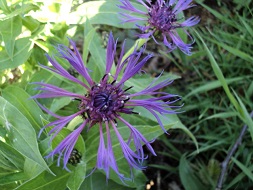
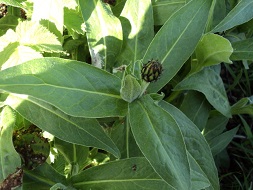
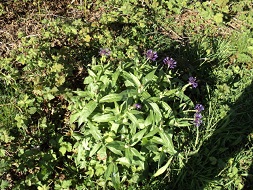
.jpg)


 [Verma AER]
 [Verma AER]


 [Thormar LEOAA]
 [Thormar LEOAA]


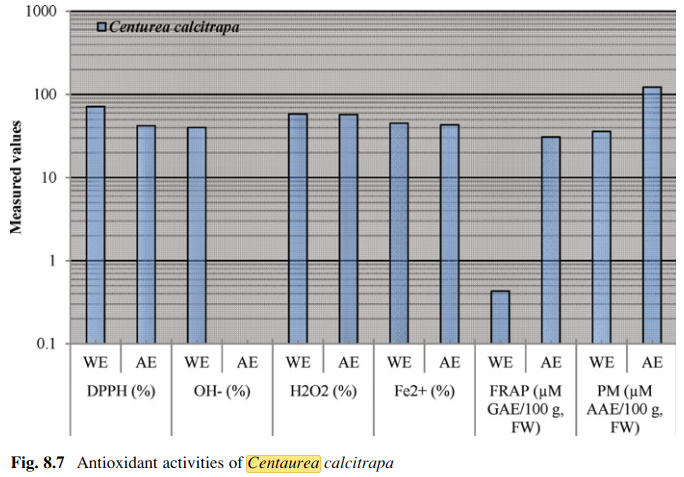
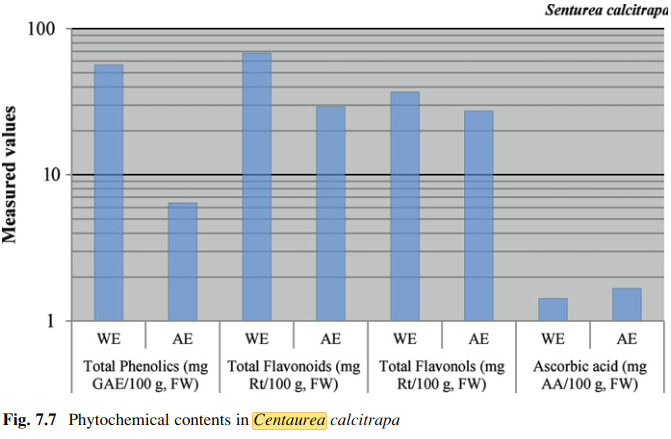


_(6027896138).jpg)
.jpg)